

The River Plate Rivalry: A Tactical and Historical Analysis of the Argentina vs. Uruguay Football Clash
The Clásico del Río de la Plata, contested between the Argentina and Uruguay national football teams, is more than a football match; it is a manifestation of shared history, geographical proximity, and an enduring obsession with the beautiful game. Spanning over 120 years, this rivalry is arguably the oldest and most profound in international football. From the dusty pitches of the early 20th century to the high-tech, data-driven stadiums of the modern era, the lineups fielded by these two South American giants have mirrored the evolution of football itself.
In this exploration, we delve into the history, the tactical shifts, and the profound cultural identity embedded in the squads of these two nations, with a specific focus on the visual iconography that defines Argentina’s global presence.
The Historical Genesis: A Shared Foundation
To understand the modern lineups of Argentina and Uruguay, one must look back to the early 1900s. Their first official match, played on July 20, 1902, in Montevideo, set the tone. Argentina’s victory of 6–0 was not just a win; it was the birth of a formal rivalry. At that time, lineups were fluid, often determined by the local clubs that dominated the era, such as Alumni and Nacional.
The 1930 World Cup final remains the cornerstone of this rivalry. It was the first-ever World Cup final, a match between neighbours separated only by the River Plate. The tension was palpable; the lineup choices were dictated by national pride and an almost desperate need for continental supremacy. Uruguay’s 4–2 victory on their home soil established the Charrúa spirit—a defensive resilience paired with clinical counter-attacking—that has defined their lineups for decades. Conversely, Argentina began a long journey toward perfecting their technical, attacking flair, a philosophy that would eventually culminate in the eras of Diego Maradona and Lionel Messi.
The Visual Identity: Argentina’s Iconic Aesthetic
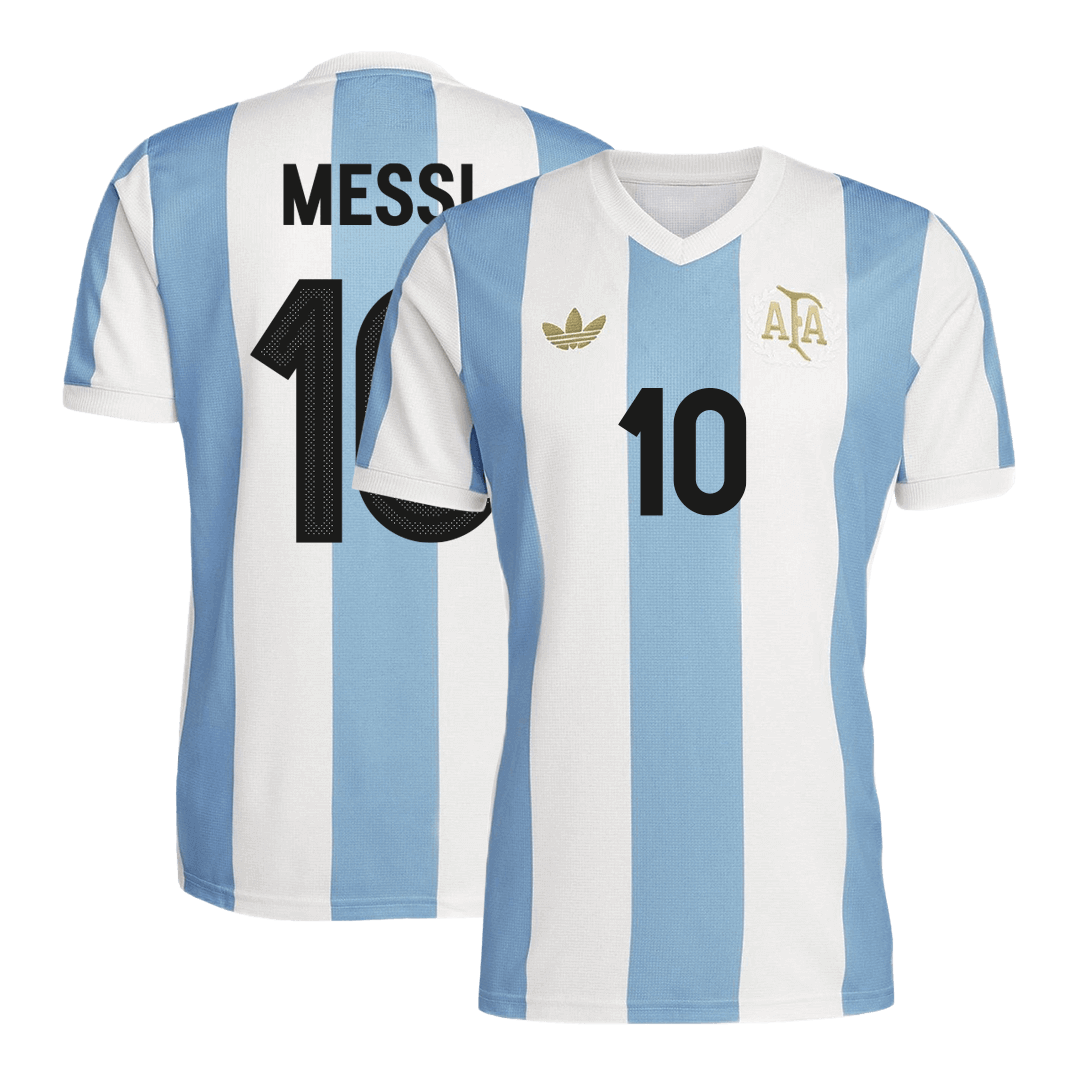
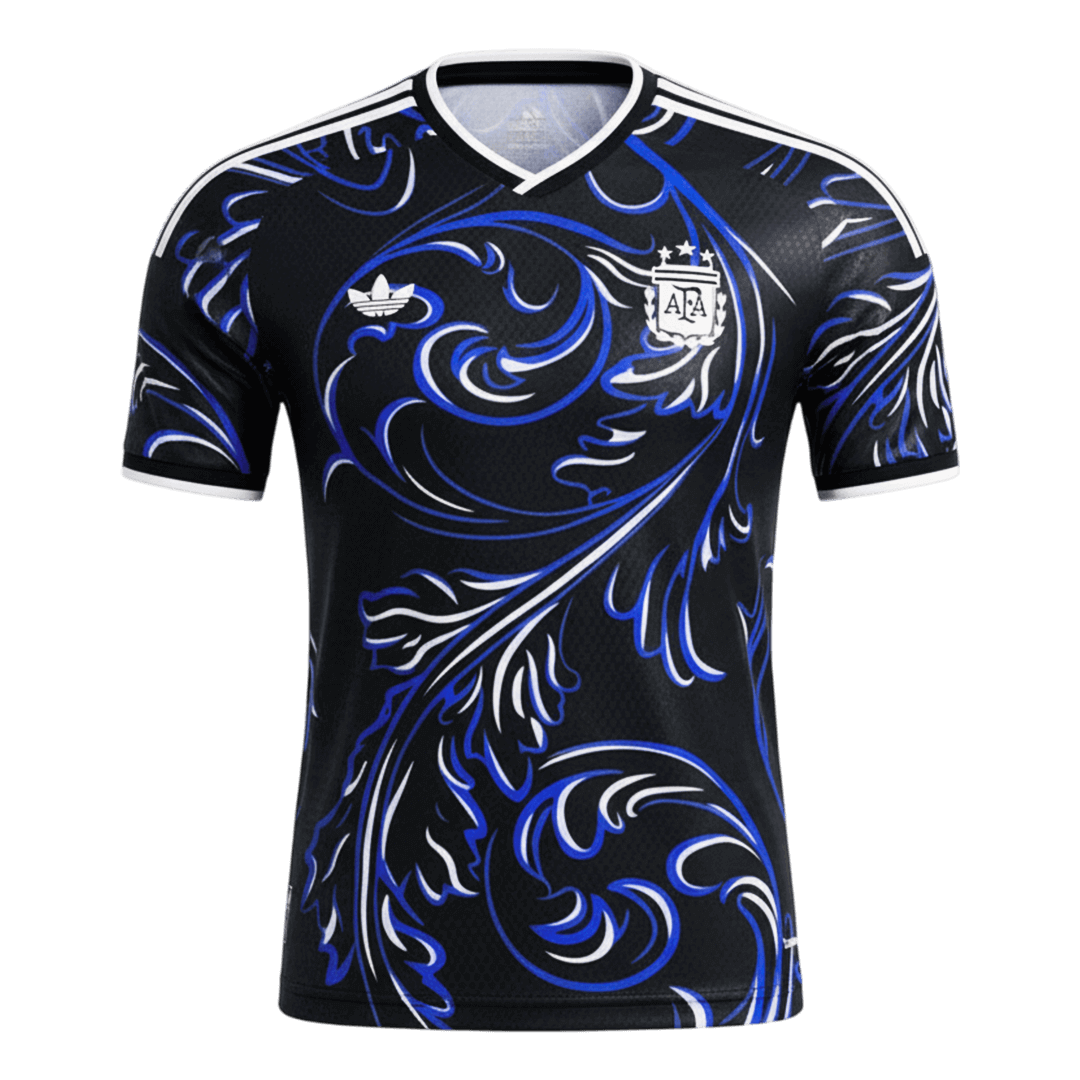
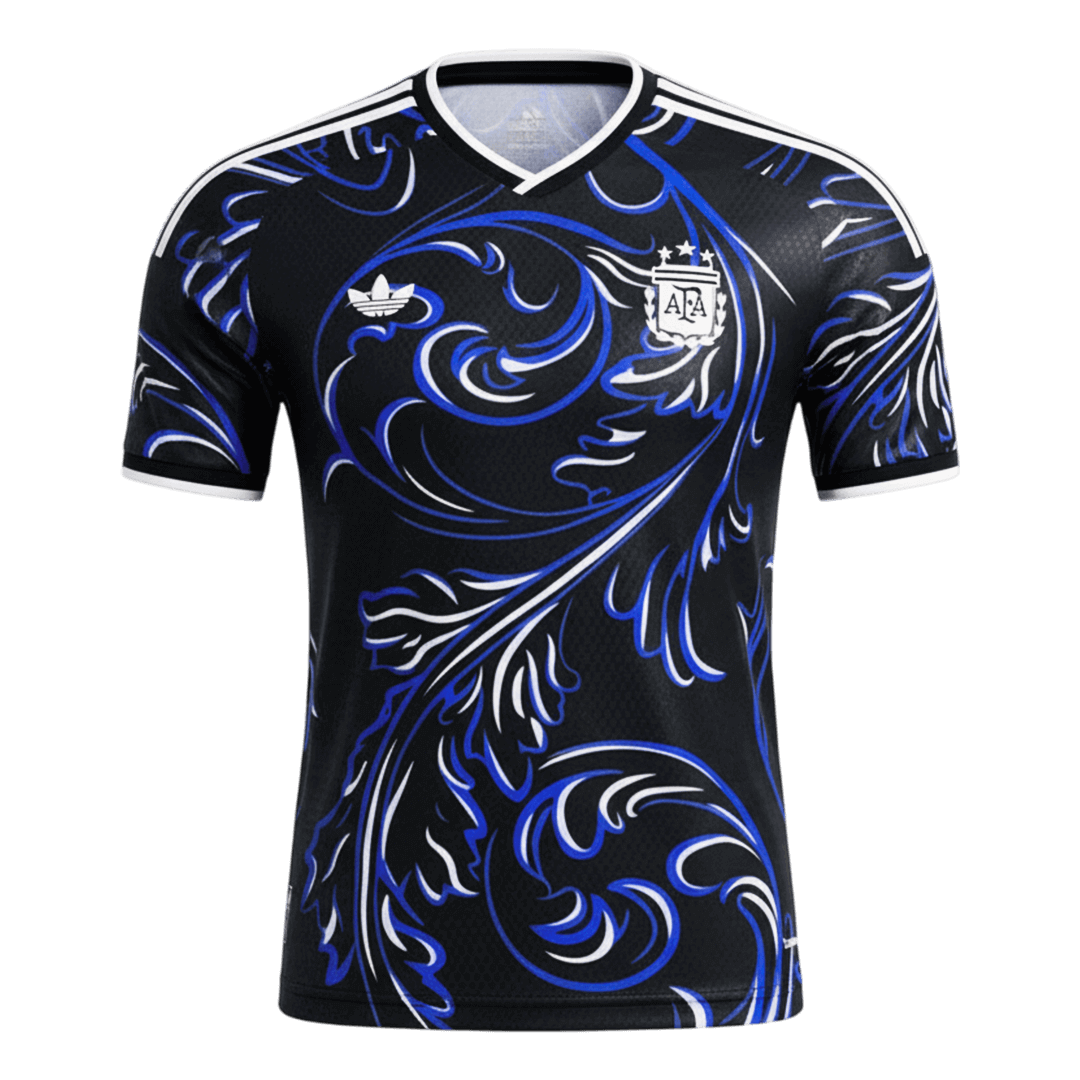
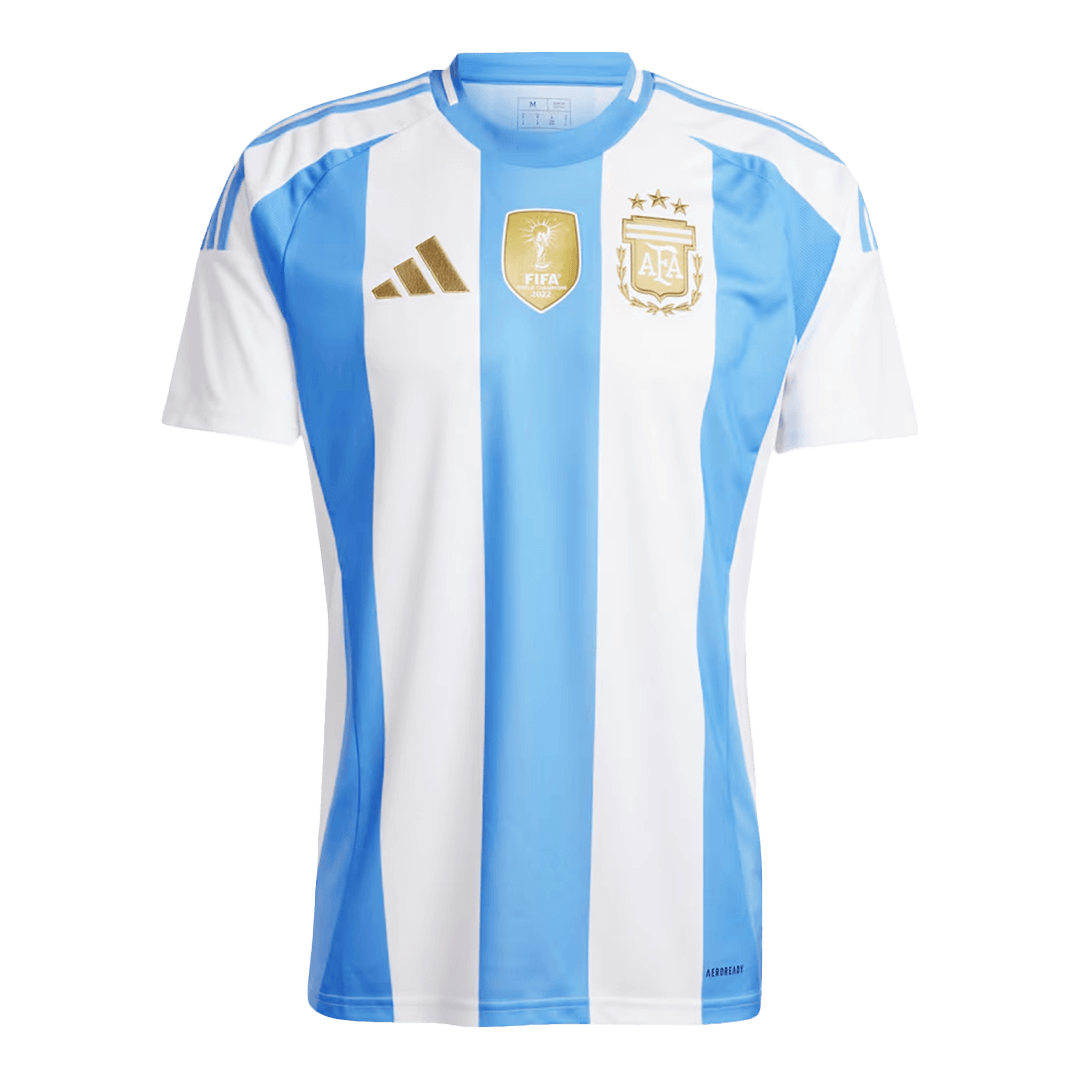
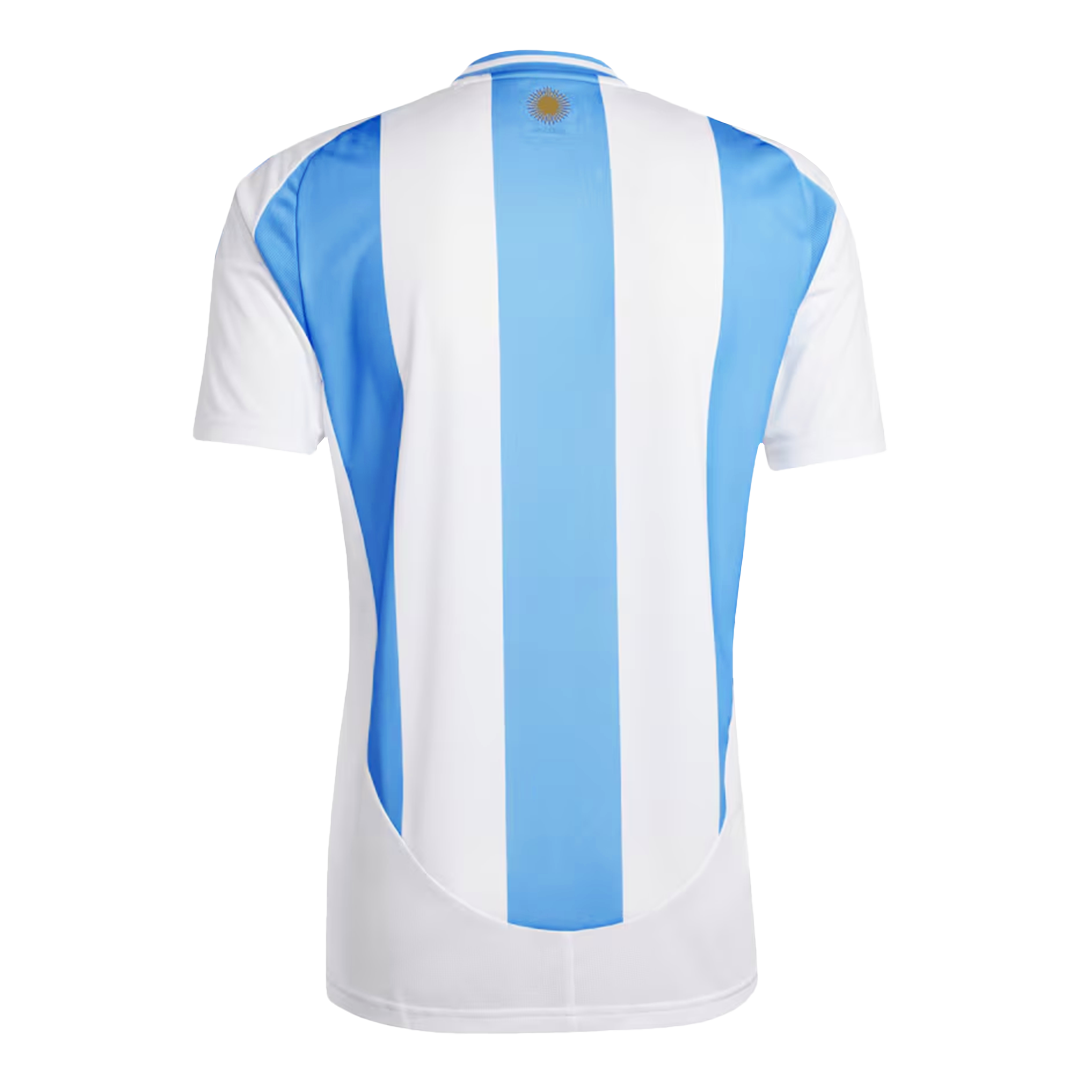
When discussing the national team, one cannot separate the lineup from the garment they wear. The Argentina football team jersey is perhaps the most recognizable piece of sporting apparel in the world. Its evolution is a testament to the nation's history.
The Evolution of the Albiceleste
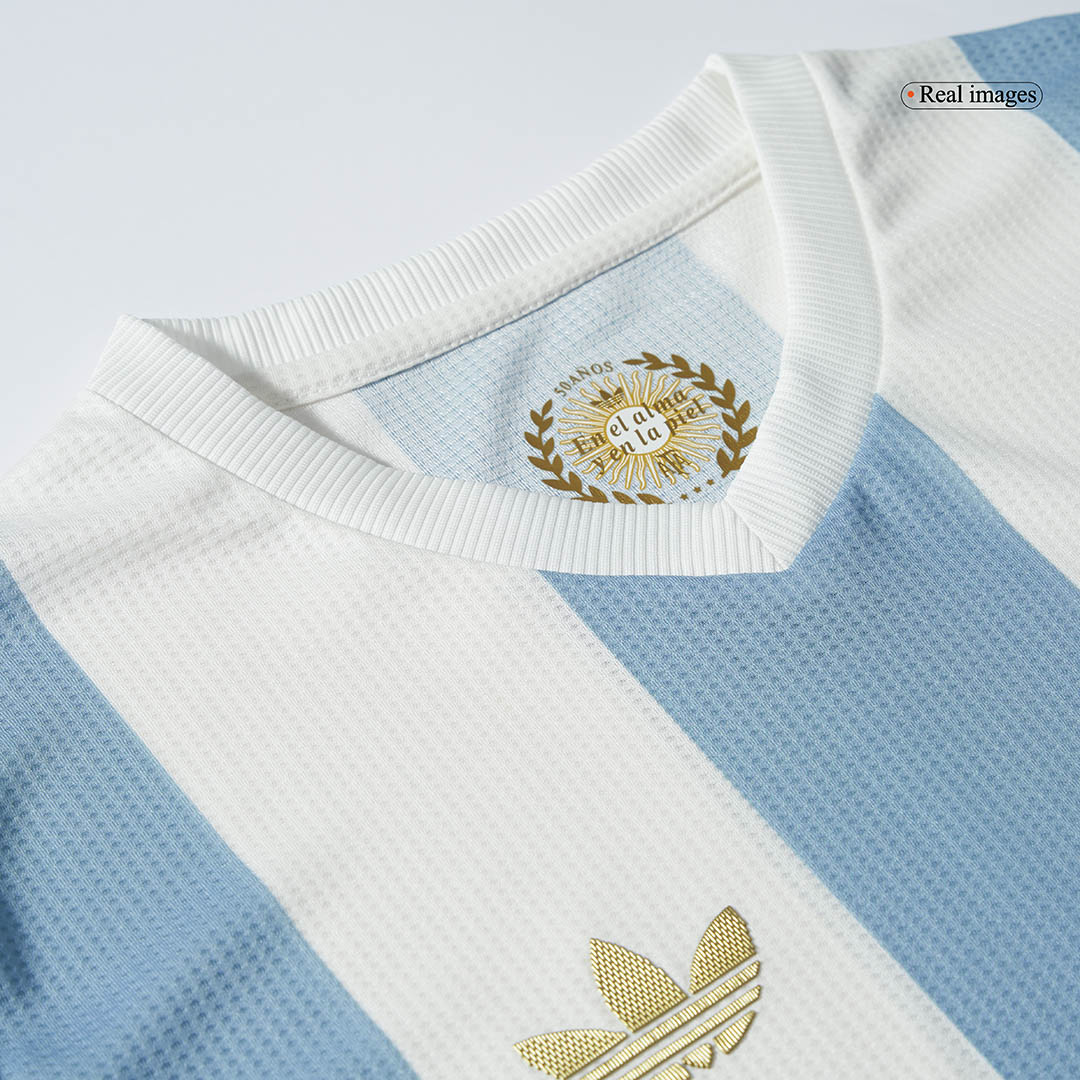
The iconic sky blue and white striped design was first debuted on July 2, 1908. It was not merely a fashion choice; it was a reflection of the nation’s flag, inspired by the colors of the Cockade of Argentina and the revolutionary spirit of Manuel Belgrano. Unlike the shifting colors of other teams, the Argentina national football team shirt has remained remarkably consistent, anchoring the nation’s identity in stability and pride.
Argentina Football Team Logos and the Crest
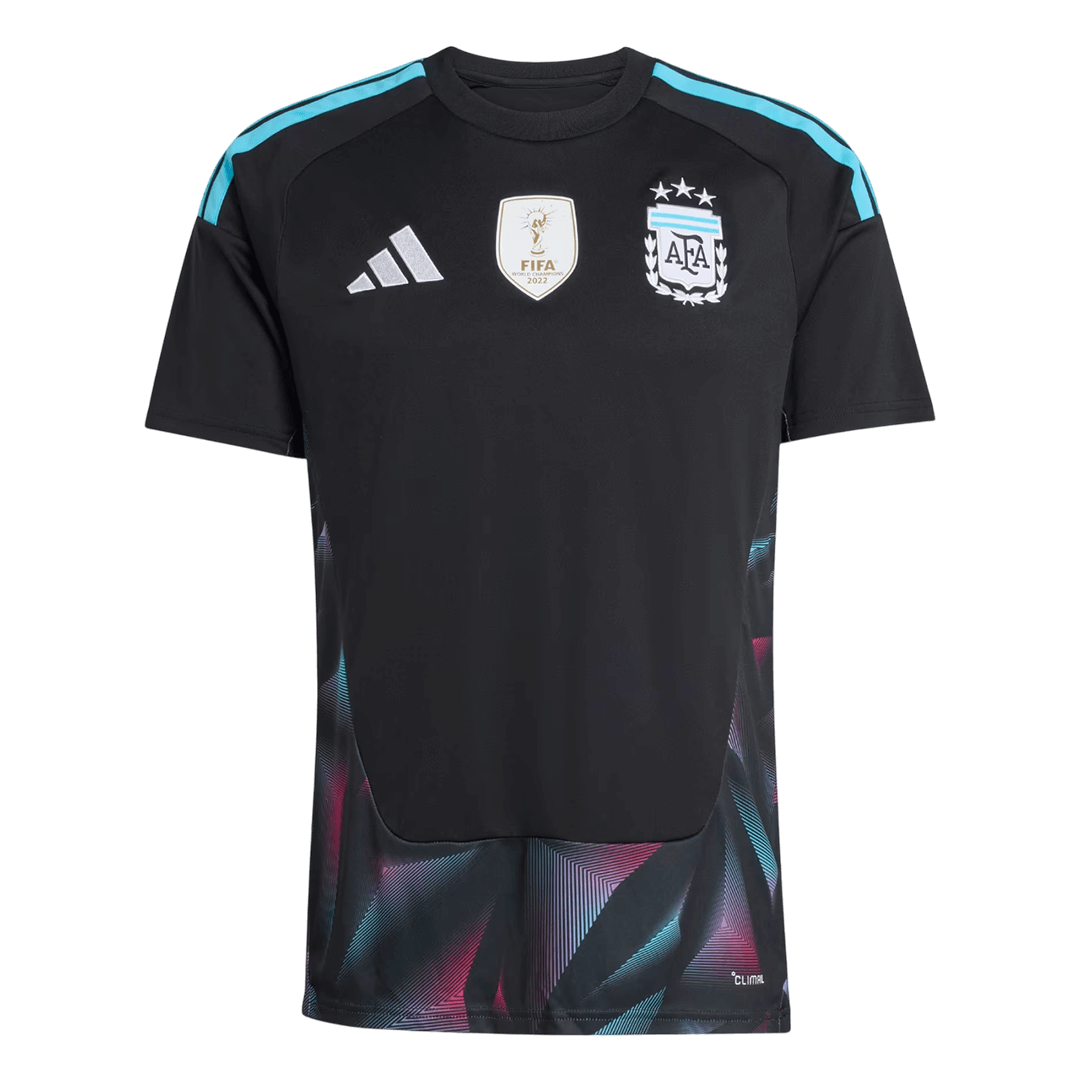
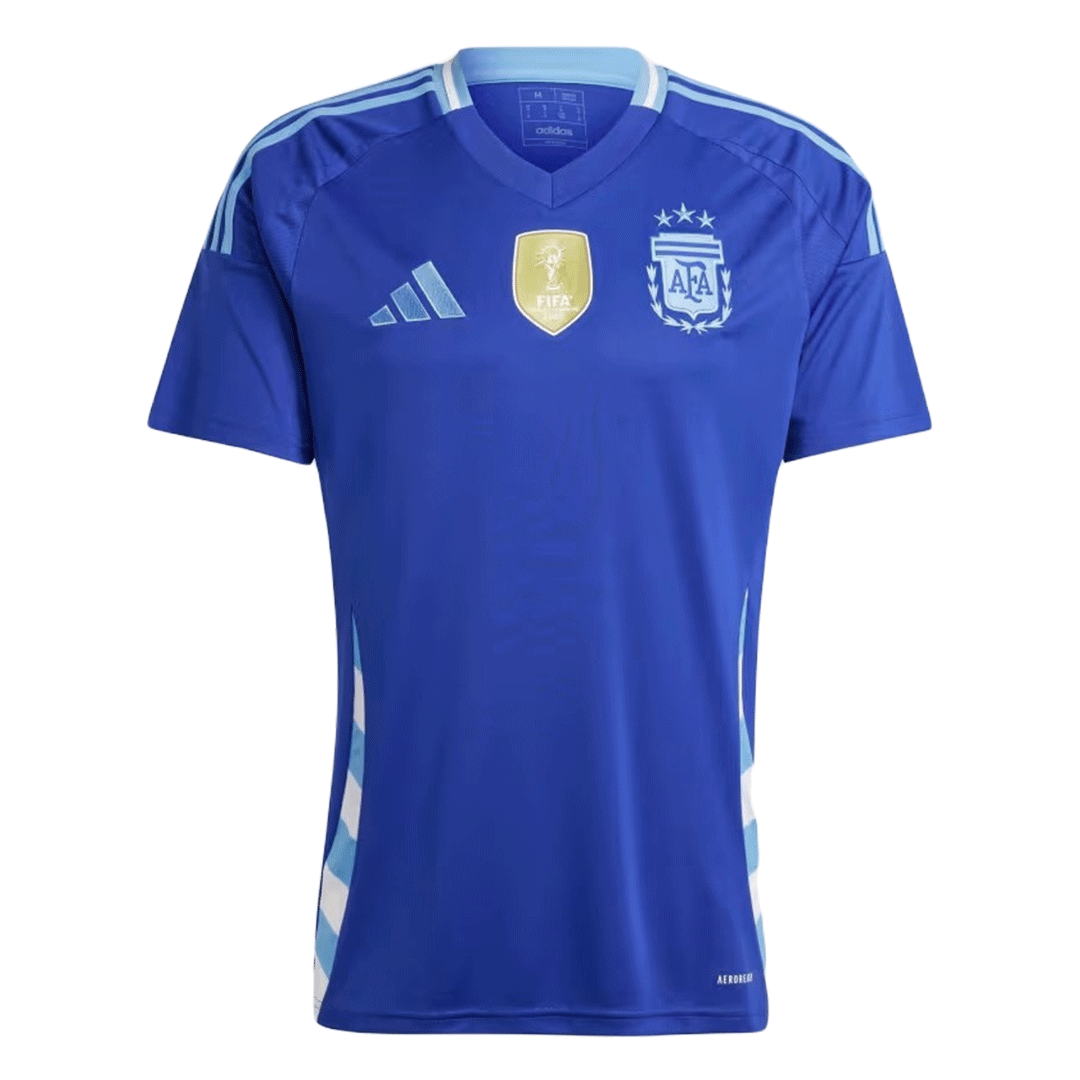
The Argentina football team logos have undergone subtle but significant changes. The crest of the Argentine Football Association (AFA) has become synonymous with glory. Most notably, the recent addition of the third star following the 2022 World Cup triumph has fundamentally changed the visual hierarchy of the crest. This star represents a hard-fought history—from the 1978 and 1986 championships to the crowning achievement of the Messi era. Wearing the crest is considered the highest honor for any Argentine player, a weight that defines who makes the starting XI and who stays on the bench.
Tactical Lineups Through the Ages: From "Garra" to "La Scaloneta"
If you look at the historical lineups of Uruguay, you see the philosophy of Garra Charrúa—a commitment to physical intensity, defensive solidarity, and aerial dominance. Uruguayan lineups have traditionally featured "warriors"—players who prioritize the team over individual flair. Legends like Enzo Francescoli, Diego Lugano, and Luis Suárez have anchored teams that, regardless of the individual stars, played with a collective "siege mentality."
In contrast, Argentina’s tactical approach has often been defined by the "Number 10" tradition. From the artistry of Omar Sívori to the genius of Maradona and the playmaking of Messi, the Argentine lineup has almost always been structured to accommodate a creative centerpiece.
However, modern football has demanded a shift. The era of Lionel Scaloni, known as La Scaloneta, marked a departure from the "Messi-dependent" lineups of the 2010s. Scaloni’s genius was in building a team where Messi was the crown jewel, but not the only source of light. By emphasizing transition speed, tireless running, and tactical flexibility, Scaloni created a lineup that could defend with the grit of Uruguay and attack with the grace of Brazil.
Modern Day: Scaloni vs. Bielsa
In the current footballing landscape, the rivalry has taken on a new tactical dimension with the presence of two Argentine masterminds at the helm: Lionel Scaloni (Argentina) and the legendary Marcelo Bielsa (Uruguay).
The Bielsa Revolution in Uruguay
Marcelo Bielsa, an icon of tactical innovation, took charge of Uruguay with a mandate to modernize their approach. His lineups are aggressive, featuring high-intensity pressing and high defensive lines. This is a departure from traditional Uruguayan football. Under Bielsa, the Uruguayan lineup has become a machine of verticality, looking to win the ball back in the opponent's half rather than absorbing pressure. It is a risky, high-reward strategy that has breathed new life into the Celeste squad.
The Scaloni Balance
Conversely, Scaloni has prioritized cohesion. His lineups for Argentina are based on tactical adaptability. He frequently changes formations—moving from a 4-3-3 to a 3-5-2 or a 4-4-2 depending on the opponent. His success lies in the trust he places in his "soldiers"—players like Rodrigo De Paul and Alexis Mac Allister, who provide the engine room for the artistry of his attackers.
When Argentina and Uruguay meet today, it is no longer just a physical battle; it is a chess match of tactical extremes: the rigid, high-energy pressing of Bielsa versus the fluid, adaptive intelligence of Scaloni.
The Cultural Weight of the Shirt
The Argentina national football team shirt is not just fabric. For the player, putting it on is an act of transformation. It carries the history of the 1986 triumph, the heartbreak of 1990, the frustration of the late 90s, and the ultimate redemption of 2022.
The relationship between the fan and the player is mediated through this shirt. In the streets of Buenos Aires or Montevideo, wearing the jersey is an act of national identity. In Argentina, the shirt is almost a secular religious relic. The Argentina football team jersey acts as a unifier in a country often polarized by politics and economics. When a player is named to the lineup, they are essentially being entrusted with the national narrative.
Icons and Symbols
The Argentina football team logos (AFA crest) on the chest act as a target for the opposition and a beacon for the fans. In the heat of the Clásico del Río de la Plata, the badge is clutched, kissed, and defended. Whether it is a classic vintage shirt or the modern, performance-engineered fabric, the symbolism remains static: the sky blue stripes represent the clouds, the white the mist, and the sun of May (historically associated with the symbol) the dawn of a nation.
Comparing the Lineups: The Art of Selection
Choosing the lineup for a match between these two rivals is a monumental task. The depth of talent in South American football, particularly in these two nations, is profound.
· Goalkeeping: Argentina currently enjoys the prowess of Emiliano "Dibu" Martínez, whose psychological dominance and shot-stopping ability have become a staple of their lineups. Uruguay, historically producing great keepers, continues to seek the next heir to the legacy of Fernando Muslera, with a focus on quick distribution to suit Bielsa's style.
· Defense: Uruguay’s defensive structure has moved from the veteran leadership of Diego Godín to a new generation that plays in high-pressing systems. Argentina’s defensive line, led by Cristian Romero, is built on aggressive, front-foot defending—a stark contrast to the passive zonal marking seen in previous decades.
· Midfield: The battle for the midfield is where the Clásico is usually won or lost. Uruguay’s midfield is characterized by pure athleticism and tenacity, while Argentina’s is currently defined by ball retention and transition speed.
· Forwards: The era of Luis Suárez and Edinson Cavani defined Uruguay for a generation. Now, the baton is passing to Darwin Núñez and others. For Argentina, the transition from Messi and Di María is the primary focus, with Julian Alvarez and Lautaro Martínez embodying the new, tireless work ethic required in Scaloni’s system.
The Future of the Rivalry
As we look toward future tournaments, the rivalry between Argentina and Uruguay shows no signs of waning. The globalization of the players—many of whom play together in European clubs—has added a layer of complexity to the lineups. When Argentine and Uruguayan teammates face each other at the international level, there is a deep respect, but also a fierce desire to assert dominance over their neighbor.
The lineups of the future will likely be shaped by the continued tactical influence of coaches like Bielsa and the developmental systems that prioritize versatility over specialization. However, the core of the Clásico will remain: it is the collision of two different philosophies of football, two different ways of being, held together by the shared heritage of the River Plate.
Conclusion
The Clásico del Río de la Plata is a testament to the endurance of football as a cultural force. From the early matches in the 1900s to the tactical modern battles of the 2026 era, the lineups fielded by Argentina and Uruguay have told the story of two nations. Through the changing designs of the Argentina football team jersey, the evolving complexity of the Argentina football team logos, and the sacred honor of wearing the Argentina national football team shirt, one can trace the history of a people.
Whether it is the "Garra" of the Uruguayans or the artistic, adaptive brilliance of the Albiceleste, these two teams continue to define the very soul of South American football. As players step onto the pitch, they do so not just as individuals, but as custodians of a rivalry that has, for over a century, captured the imagination of the world. The names on the back of the shirts may change, but the spirit of the Clásico remains eternal.