

The River Plate Classic: A Deep Dive into Uruguay vs. Argentina National Football Team Lineups
The rivalry between the Uruguay national football team and the Argentina national football team is not just a football match; it is a historical saga, a clash of identities, and a celebration of the beautiful game’s deepest roots. Known as the “Clásico del Río de la Plata,” this fixture is the oldest in international football, with their first meeting dating back to 1901. When these two South American giants face off, whether in the Copa América, World Cup qualifiers, or a friendly, the world stops to watch. The lineups are not merely a list of names; they are a statement of national pride, tactical philosophy, and generational talent.
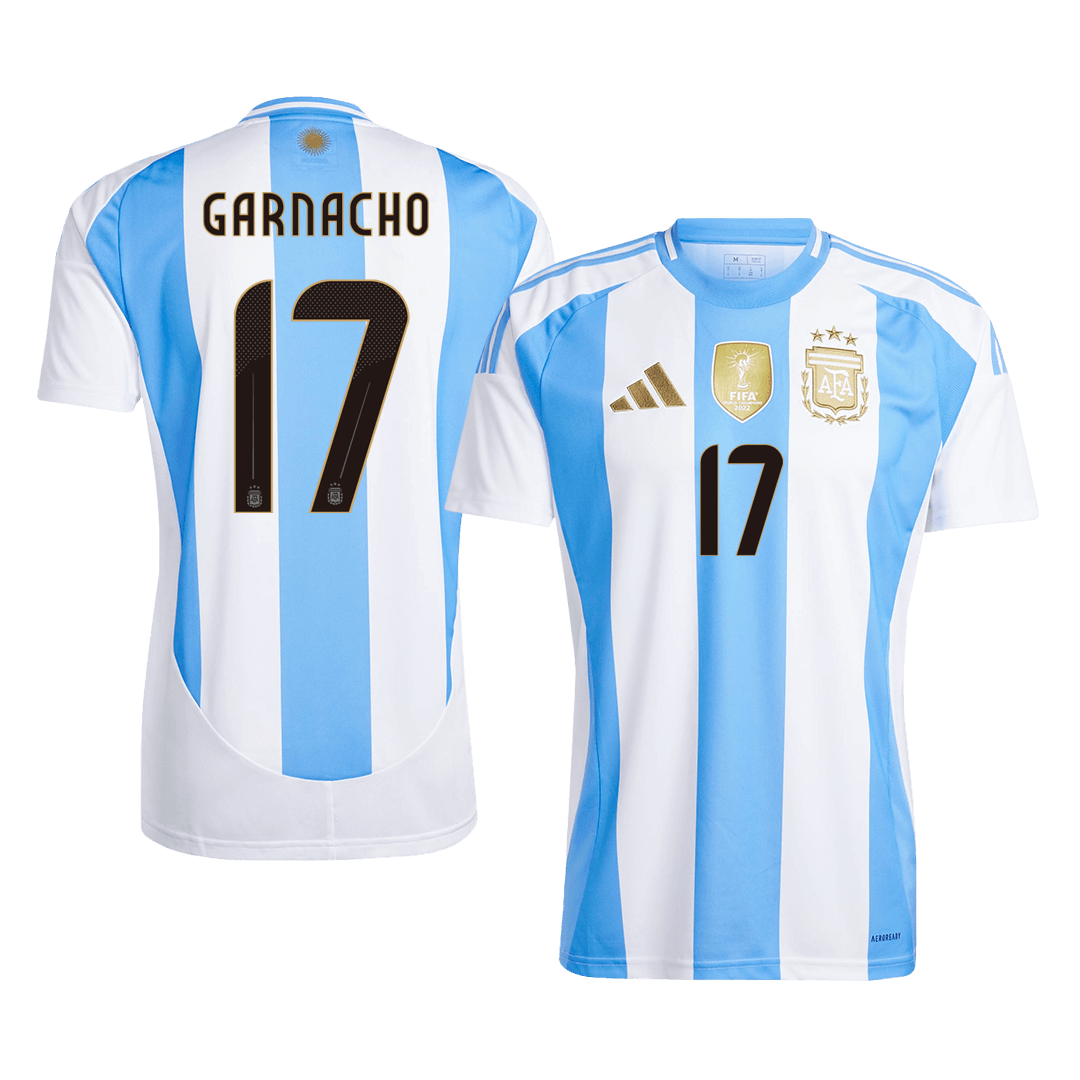
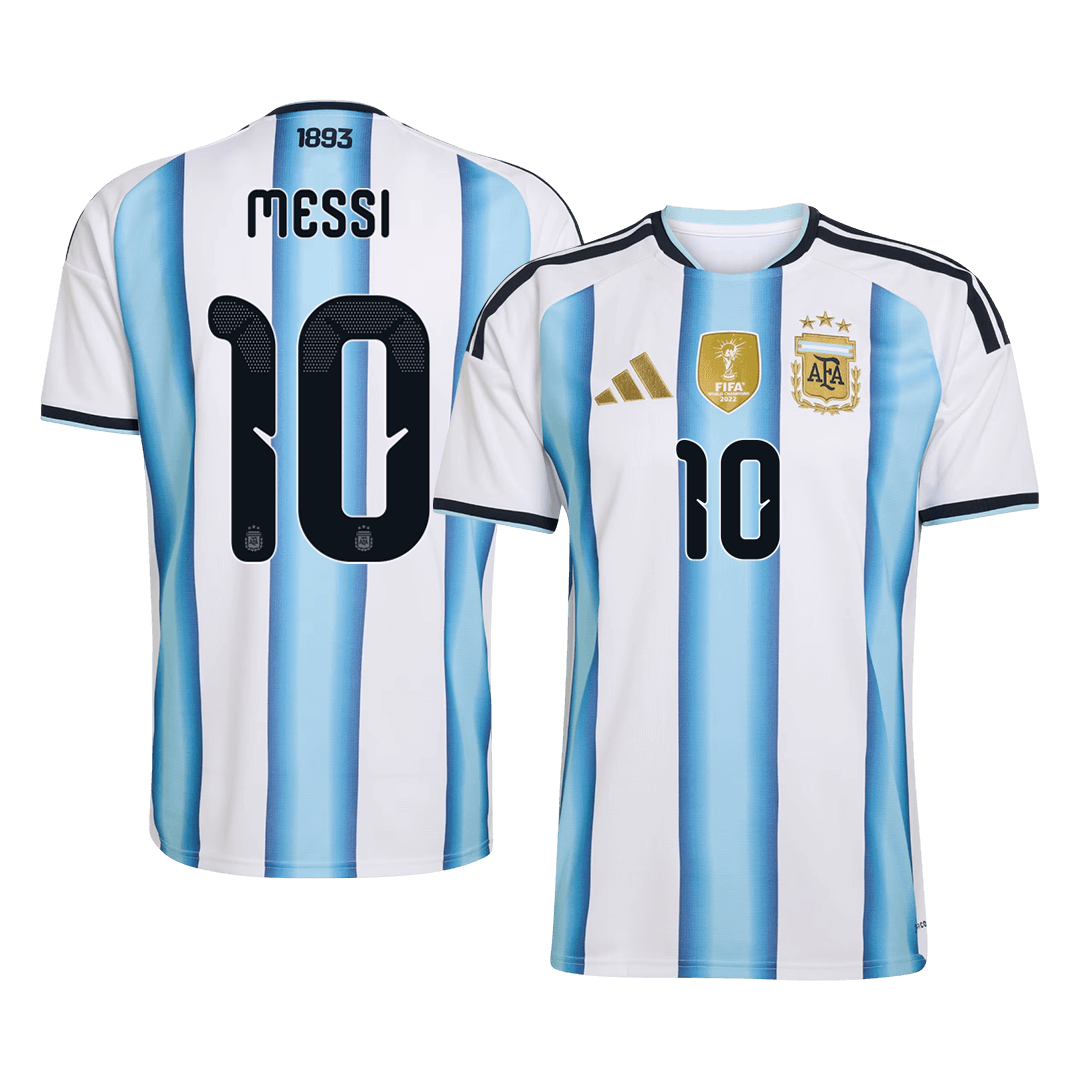
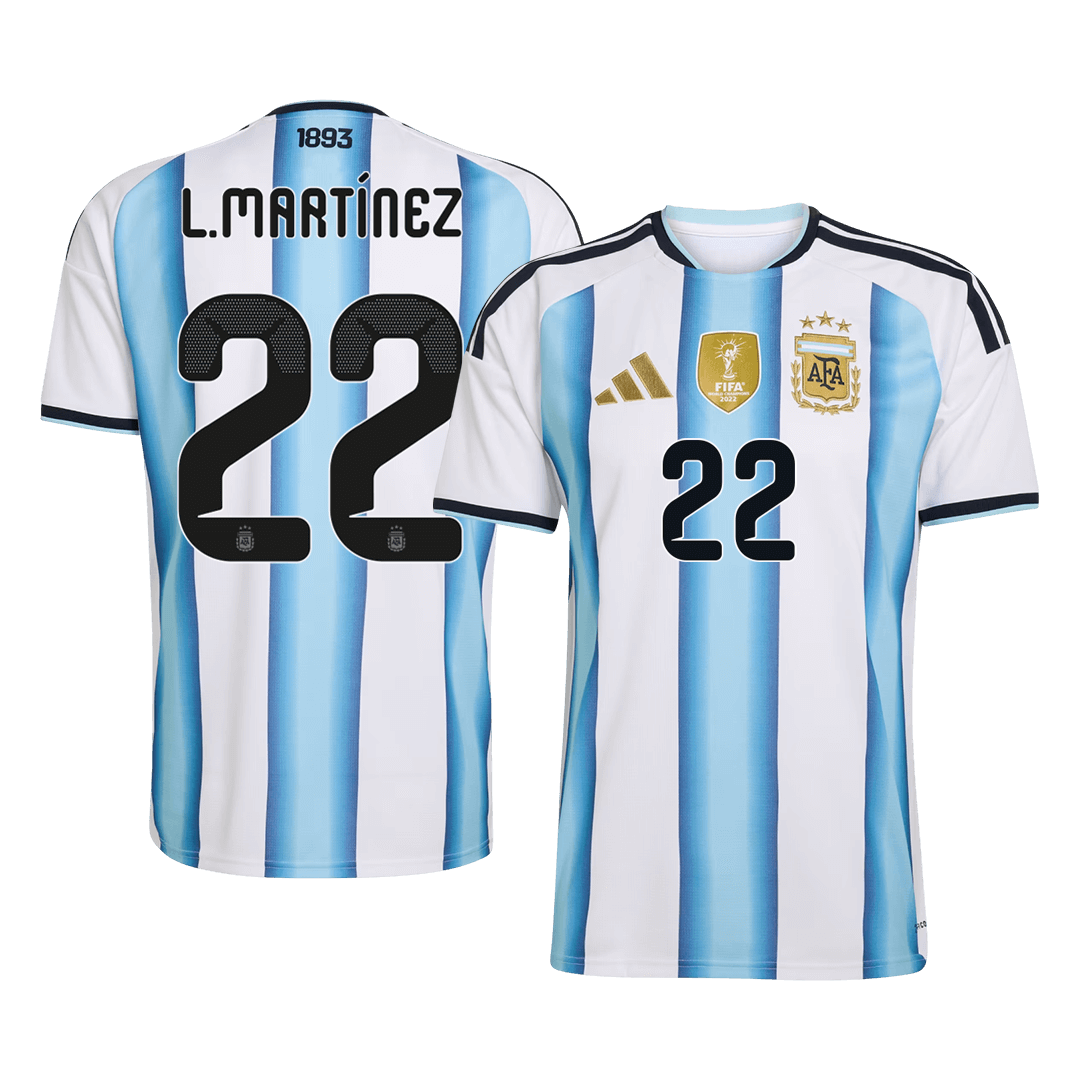
This article will analyze the potential and historical lineups for a modern encounter between these titans, exploring the tactical setups, the star players, and the cultural significance that makes every match a chapter in footballing history. We will also delve into the iconic argentina football team jersey and other symbols that define the identity of the Albiceleste.
Part 1: The Historical Context and the Importance of the Lineup
To understand the lineups, one must first understand the context. This is a match where form often goes out the window. Argentina, with its galaxy of stars and deep tactical heritage, typically enters as a favorite. Yet Uruguay, with its garra charrúa (fighting spirit) and tactical discipline, has a history of upsetting the odds.
The selection of a lineup for this fixture is a high-stakes game for any manager. For Argentina, it is about balancing the need for creative genius with defensive solidity against Uruguay’s physical, counter-attacking threat. For Uruguay, it is about finding the perfect blend of defensive resistance and explosive transition.
The Global Significance of the Argentina Football Jersey
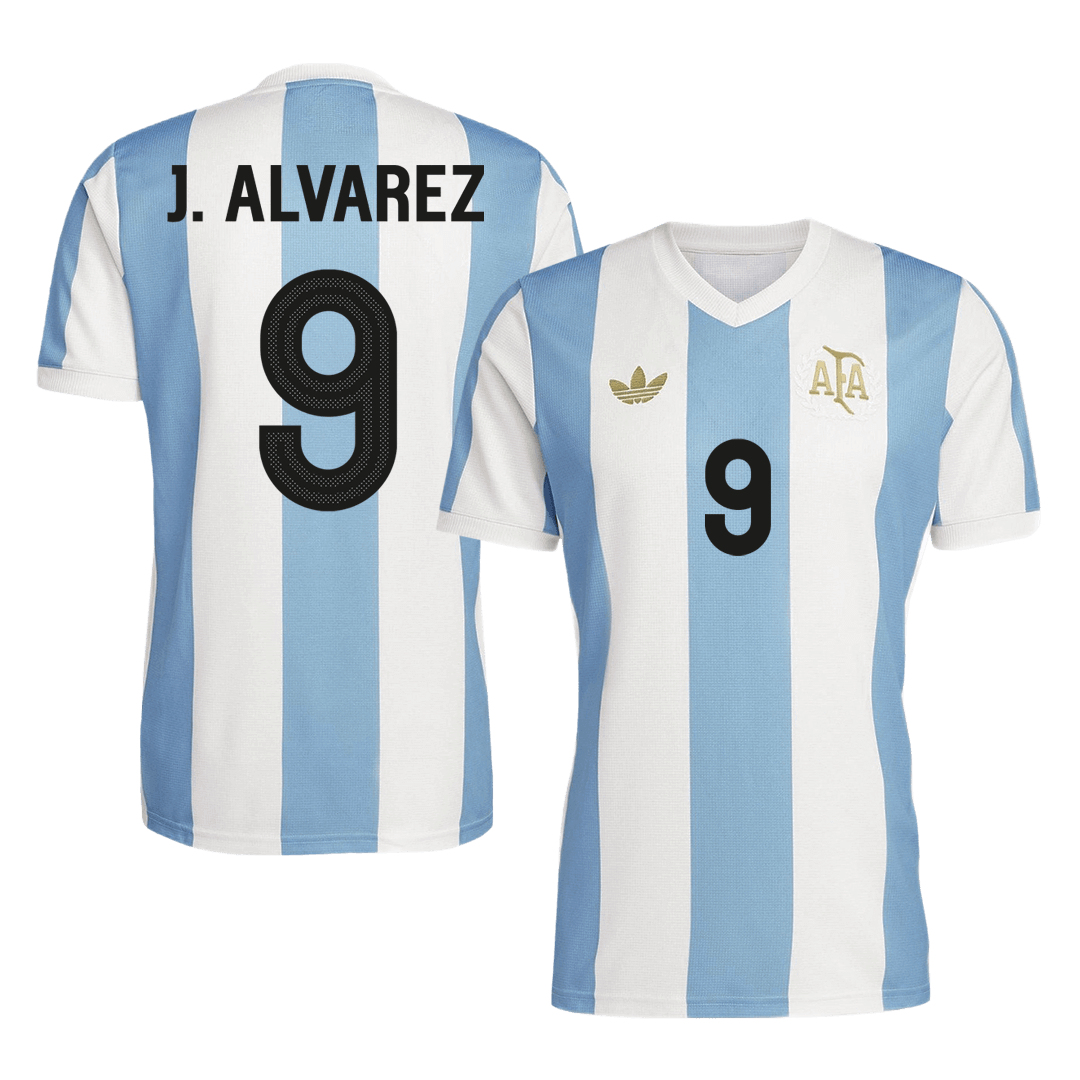
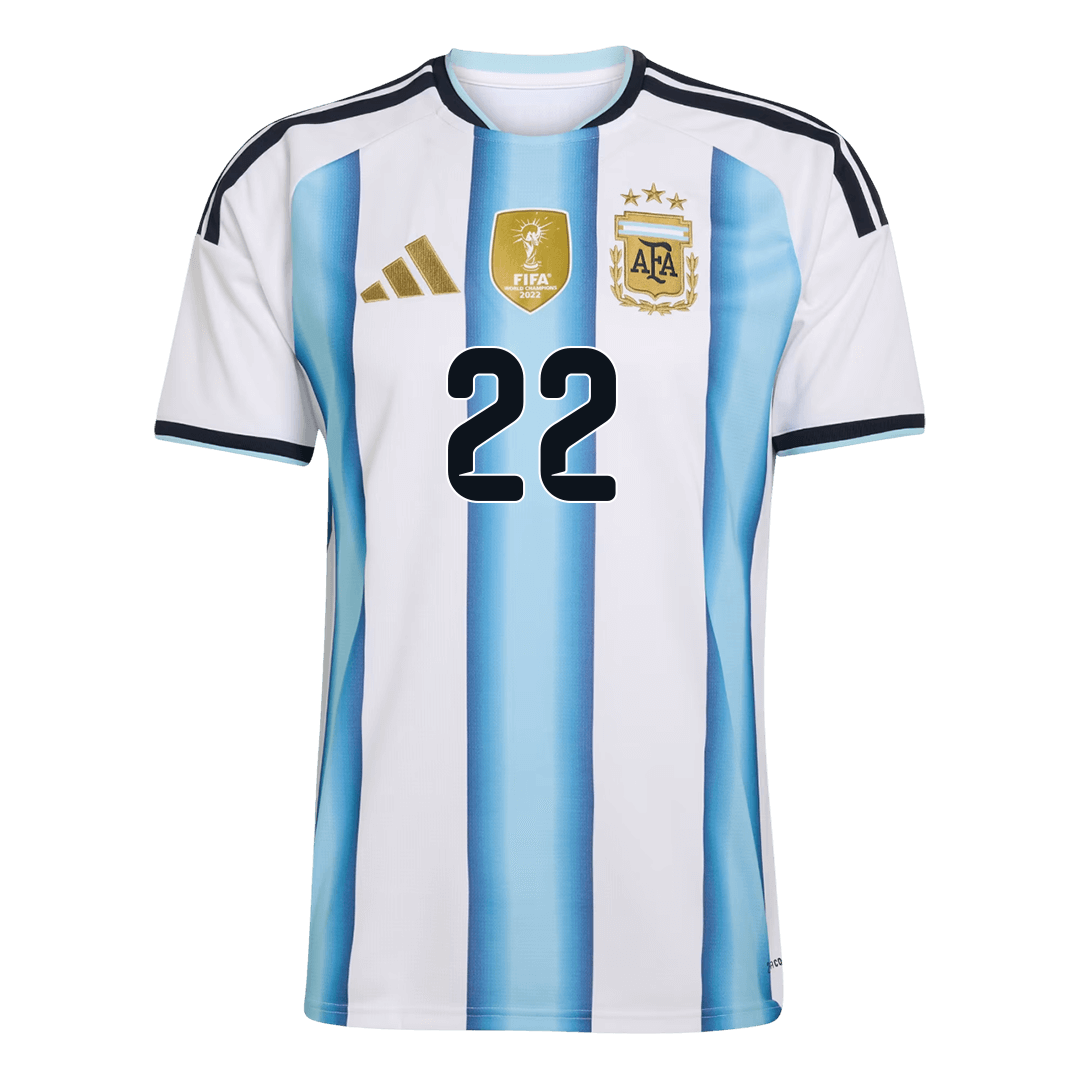
Before diving into the players, it is impossible to ignore the psychological boost that comes with the argentina football team jersey. In a match of this magnitude, the jersey itself carries a weight of history. When a player pulls on the famous white and sky-blue stripes, they are not just wearing a shirt; they are connecting with the legacy of Maradona, Messi, and Di Stéfano.
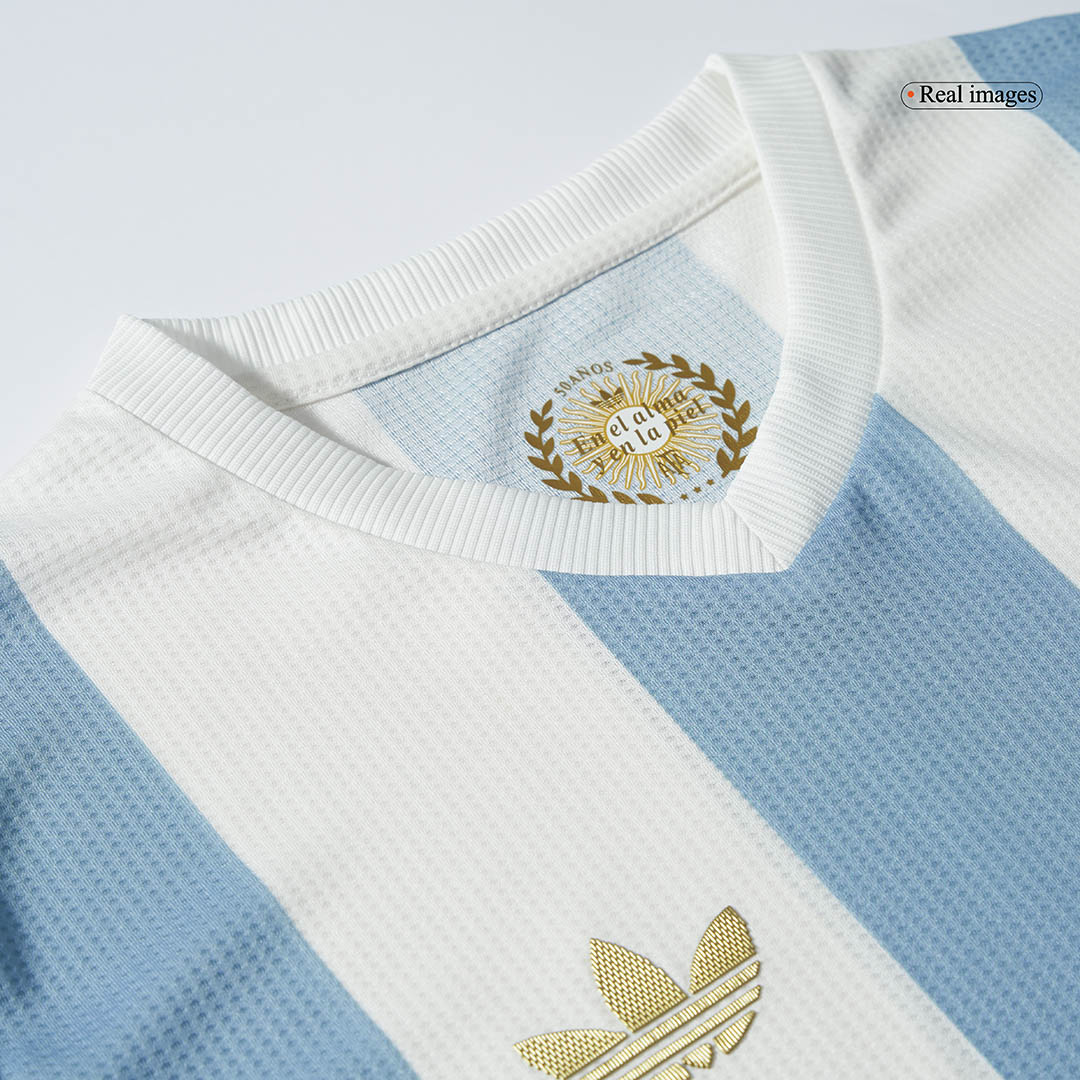
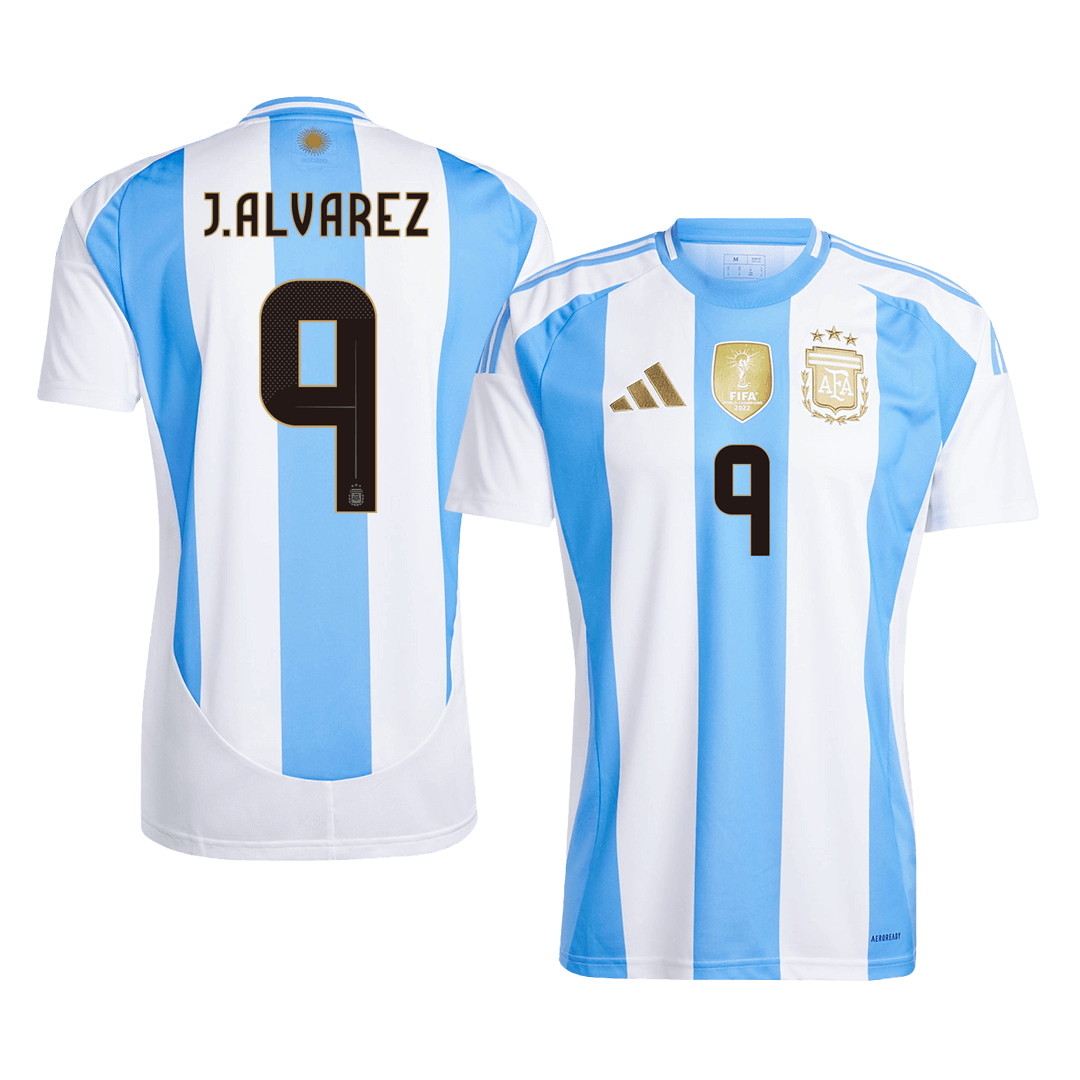
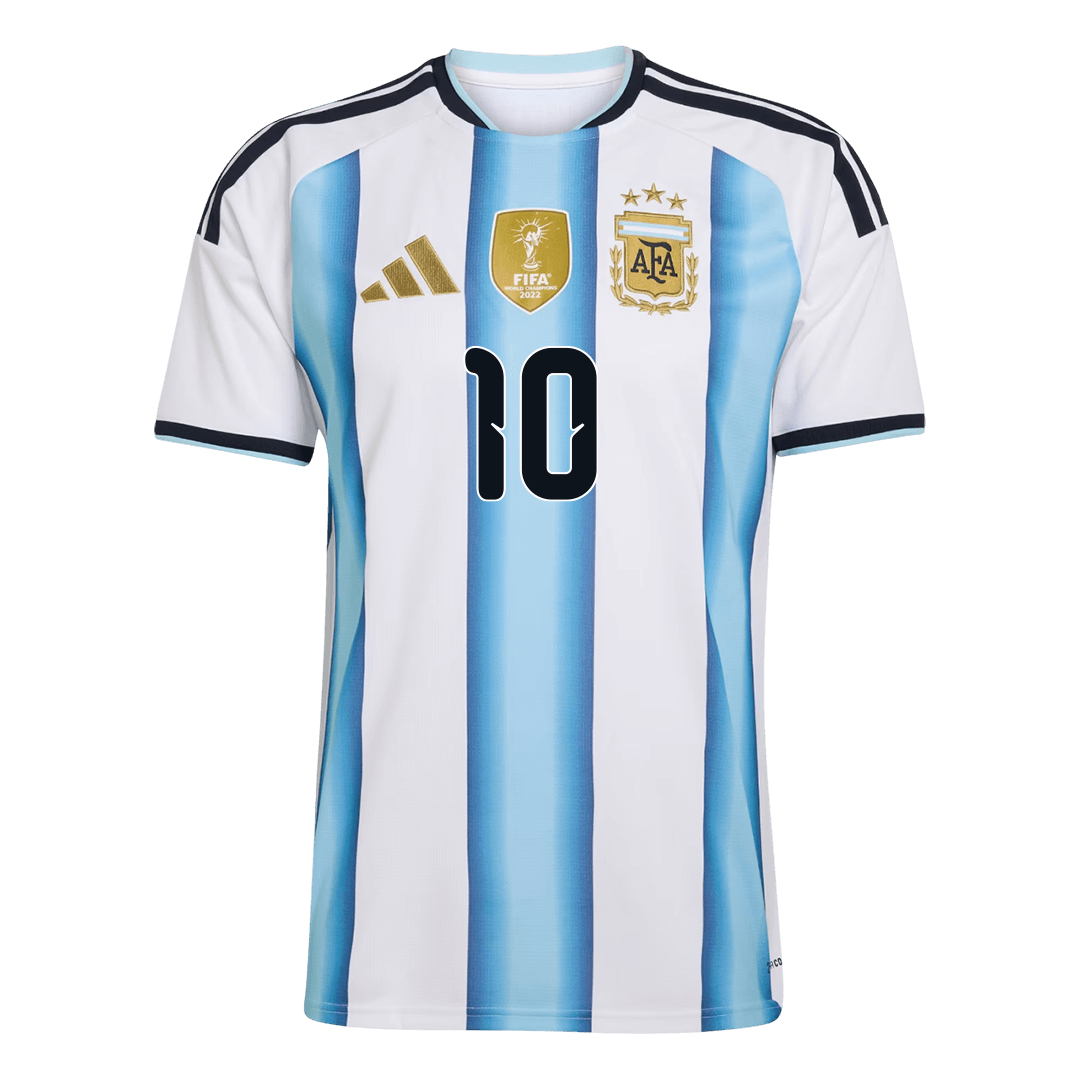
The argentina national football team shirt is arguably one of the most recognizable pieces of sports apparel in the world. Its design, whether the classic thin stripes or modern interpretations, represents a footballing philosophy of flair, audacity, and technical brilliance. For an opponent like Uruguay, seeing that jersey across the tunnel is a reminder of the eternal David vs. Goliath battle that defines this rivalry. The motivation to tear down the giants wearing that argentina national football team shirt is a powerful force in the Uruguayan dressing room. So, when a manager writes down the lineup for the argentina football team logos to be printed upon, they are writing a piece of history.
Part 2: Argentina’s Projected Lineup: The Maestros of Modern Football
Under Lionel Scaloni, Argentina has evolved into a supremely balanced unit. Gone are the days of total reliance on a single superstar. The team is now a well-oiled machine, characterized by intense pressing, ball circulation, and defensive commitment from every player.
The Tactical Setup (Formation: 4-3-3)
Goalkeeper: Emiliano Martínez – Unquestionably one of the best in the world. His presence is monumental, his penalty-saving ability is legendary, and his distribution is crucial for building attacks from the back. Against Uruguay’s aerial threats from set-pieces, his command of the box will be vital.
Defenders:
· Right Back: Nahuel Molina – His overlapping runs and ability to combine with Messi (or Di María) are key. He provides width and energy.
· Center Backs: Cristian Romero and Nicolás Otamendi – Romero provides the aggression and recovery pace, while the veteran Otamendi offers experience and leadership. This partnership is a classic “aggressor and sweeper” dynamic.
· Left Back: Nicolás Tagliafico or Marcos Acuña – Both are hard-working defenders who support the attack and provide excellent crossing. Their stamina is crucial for covering the left flank.
Midfielders:
· Rodrigo De Paul – The heart of the team. His work rate, tackling, and ability to transition from defense to attack are unmatched. He does the dirty work that allows the stars to shine.
· Leandro Paredes or Alexis Mac Allister – The metronome. This player dictates the tempo, retains possession, and can unlock defenses with a single pass. Mac Allister’s late runs into the box have become a dangerous weapon.
· Giovani Lo Celso – The creative spark. He drifts into half-spaces, links the midfield and attack, and provides the final pass.
Forwards:
· Lionel Messi – The eternal maestro. Whether he starts as a false nine or from the right, he is the focal point. Uruguay will have a specific plan to double and triple-team him, but his genius often finds a way.
· Julian Álvarez – The ultimate support striker. His tireless running, pressing, and intelligent movement create space for Messi and other attackers. He is the perfect foil for the captain.
· Lautaro Martínez or Ángel Di María – If a direct goal-scorer is needed, Martínez leads the line. His finishing is clinical. Di María, however, is the big-game specialist, whose incision and ability to drift past defenders make him the ultimate wildcard.
The Significance of the Argentina National Football Team Shirt in This XI
When this eleven takes the field, the argentina national football team shirt they wear is more than a uniform. For a player like Messi, it is the culmination of a lifelong dream. For a young player like Álvarez, it is the privilege of a generation. The argentina football team jersey represents a nation’s hope. The argentina football team logos—the trademark of La AFA—are a badge of honor, symbolizing a country’s undying passion. The opponent knows that wearing that argentina national football team shirt means playing with a legacy of pressure—and glory.
Part 3: Uruguay’s Projected Lineup: The Resurrection of the Character
Under Marcelo Bielsa, Uruguay has undergone a profound transformation. The “Garpa” is now combined with Bielsa’s relentless, high-intensity vertical style. Their lineup reflects a mix of raw talent and tactical fanaticism.
The Tactical Setup (Formation: 4-3-3 or a high-pressing 4-2-3-1)
Goalkeeper: Sergio Rochet – A modern sweeper-keeper comfortable with the ball at his feet. His reflexes are sharp, but his ability to play out under pressure is vital for Bielsa’s system.
Defenders:
· Right Back: Ronald Araújo or Guillermo Varela – Araújo, primarily a center-back, often plays here for his raw power and aerial dominance. He is a human battering ram in attack and a wall in defense.
· Center Backs: José María Giménez and Sebastián Cáceres – Giménez is the leader, the warrior. Cáceres provides composure and speed. This pair is typically aggressive, stepping high to press.
· Left Back: Mathías Olivera – An extremely aggressive left-back who bombs forward constantly. He is a key outlet for Uruguay’s wide attacks.
Midfielders:
· Manuel Ugarte – The battery. He is the defensive anchor, a destroyer who breaks up play and gives the ball to more creative teammates. He will likely be tasked with shadowing Messi.
· Federico Valverde – The engine. Valverde is arguably the most complete midfielder in the world. He can defend, shoot from distance, carry the ball, and score important goals. He is the tactical leader on the pitch.
· Giorgian de Arrascaeta – The artist. He is the primary creative source, finding pockets of space between Argentina’s lines. His vision and final ball are dazzling.
Forwards:
· Facundo Pellistri – A direct, tricky winger who loves to take defenders on. His pace and dribbling are crucial for counter-attacks.
· Darwin Núñez – The chaotic striker. He is powerful, fast, and unpredictable. He is a constant threat in behind the defense and is excellent when running on the shoulder of the last defender.
· Maximiliano Araújo or Cristian Olivera – A hardworking, direct winger who can also cut inside onto his right foot. He provides width and defensive work rate.
Bielsa’s Philosophy vs. Argentina’s Discipline
Uruguay’s lineup reflects Bielsa’s “murderball” philosophy: relentless running, man-marking all over the pitch, and a desire to make the game a physical, chaotic battle. This is a direct challenge to Argentina’s possession-based control. The Uruguayan lineup is not designed to keep the ball but to win it and then break, fast. The argentina football team jersey across the pitch is a target, a challenge to be overcome through sheer force of will and tactical organization.
Part 4: Key Matchups in the Lineup
The beauty of this clash lies in the individual battles that often decide the game.
1. Ugarte vs. Messi: The central duel. Manuel Ugarte will likely be detailed to follow Messi all over the pitch. If Ugarte wins this battle, Uruguay can break Argentina’s rhythm. If Messi escapes, he can win the game.
2. Valverde vs. De Paul: A midfield war. Both are captains in their own right. Valverde’s dynamic runs vs. De Paul’s relentless pressing will be a chess match within the game. Whichever midfielder can assert dominance will dictate the tempo.
3. Araújo vs. Di María or Álvarez: If Di María starts, expect Ronald Araújo to use his pace and strength to nullify him. If Álvarez plays centrally, Araújo’s close-quarters defending will be vital. This is a classic “brawn vs. skill” matchup.
4. Núñez vs. Romero: The chaos of Darwin Núñez against the aggressive, in-your-face defending of Cuti Romero. This is a clash of two volatile personalities. One wrong step from Romero could lead to a goal for Núñez.
The Visual Identity of the Battle
When you watch the match, look at the argentina football team logos on the chest of the visiting team. That crest—a sun, a star, the sky-blue and white—represents a footballing dynasty. Uruguay’s four stars represent their two World Cups and two Olympic Gold medals (recognized as world championships). The logos of both teams are a visual representation of two of the proudest histories in world football. The argentina national football team shirt specifically, with its iconic design, is a symbol of elegance. The contrast between the crisp, graceful stripes of the Argentine jersey and the bright blue top with white shorts of Uruguay is a defining image of South American football.
Part 5: The Coach’s Dilemma: Tactical Adjustments
Scaloni’s Plan (Argentina): His challenge is to maintain possession and break down a likely low-block from Uruguay despite their high press. He will instruct his fullbacks to stay high but be cautious of the counter. He will want his midfielders to overload the central areas to create 3v2 situations. The goal is to keep the ball, fatigue the Uruguay press, and then strike with surgical precision. He will instruct his team to protect the argentina football team jersey’s legacy by avoiding a chaotic game. The match lies in the hands of his stars but also in the work rate of his players. The argentina national football team shirt demands a performance of calm under pressure.
Bielsa’s Plan (Uruguay): His plan is to create chaos. He wants a high-pressing game that forces errors from Argentina’s defenders. He will instruct his attackers to isolate Argentina’s center-backs. The key for Uruguay is to score first. If they do, it forces Argentina into a more direct game, which plays into the hands of Uruguay’s stoic defense. Bielsa will also use heavy metal man-marking, especially from corners, trusting the argentina national football team jersey to be a target of his team’s collective strength. He knows that to overcome the weight of the argentina football team logos on the chest, his players must run more, fight harder, and believe more.
Part 6: Legacy and What This Lineup Represents
The lineups for this Clásico del Río de la Plata are never just about the 22 players on the pitch. They represent two distinct cultures.
· Argentina: Represents the individual artist, the “crack,” the sublime technique born from the streets of Rosario and Buenos Aires. The lineup reads like a who’s who of global football stars. The argentina football team jersey is worn with an aura of undeniable talent.
· Uruguay: Represents the team, the collective, the “garra.” It is a country of 3.5 million people fighting the giants. Their lineup is often built on recoveries, aerial duels, and heart-stopping determination. Every Uruguay player who dons the sky-blue jersey knows they are fighting for pride against the argentina national football team shirt.
Every time the lineups are announced, a new chapter in the world’s oldest international rivalry begins. The questions are as old as the fixture itself: Will Argentina’s genius overcome Uruguay’s grit? Will Uruguay’s spirit break Argentina’s rhythm? The answer is written on the pitch, but the legends are born from the lineups.
In a modern context, this fixture is a microcosm of South American football. It is the rhythm of Brazil against the fight of Paraguay, but it is more intimate. It is brother against brother. The argentina national football team shirt is a masterpiece of design, but Uruguay’s shirt is a battle flag. The argentina football team logos are a trademark of success, but Uruguay’s crest is a tattoo of survival.
When these 22 players step onto the field in their respective jerseys, argentina football team jersey included, they carry the hopes of 200 million people combined. The lineups may change, the managers may come and go, but the essence of Uruguay vs. Argentina remains the same: a beautiful, brutal, and historic war for the soul of the River Plate. And the world is always watching.
Conclusion
The uruguay national football team vs argentina national football team lineups for any given match are a gripping narrative of modern tactics and historical pride. From the star-studded eleven of the Albiceleste to the warrior-like formation of La Celeste, the stage is set for a classic.
The weight of the argentina national football team shirt and the argentina football team jersey is a burden of greatness, while the Uruguayan squad, adorned with its own proud colors, plays with the fire of an underdog. The clash between these two sets of players, on the pitch, under the global spotlight, is the purest form of football. It is more than a game; it is a festival of the Clásico del Río de la Plata.