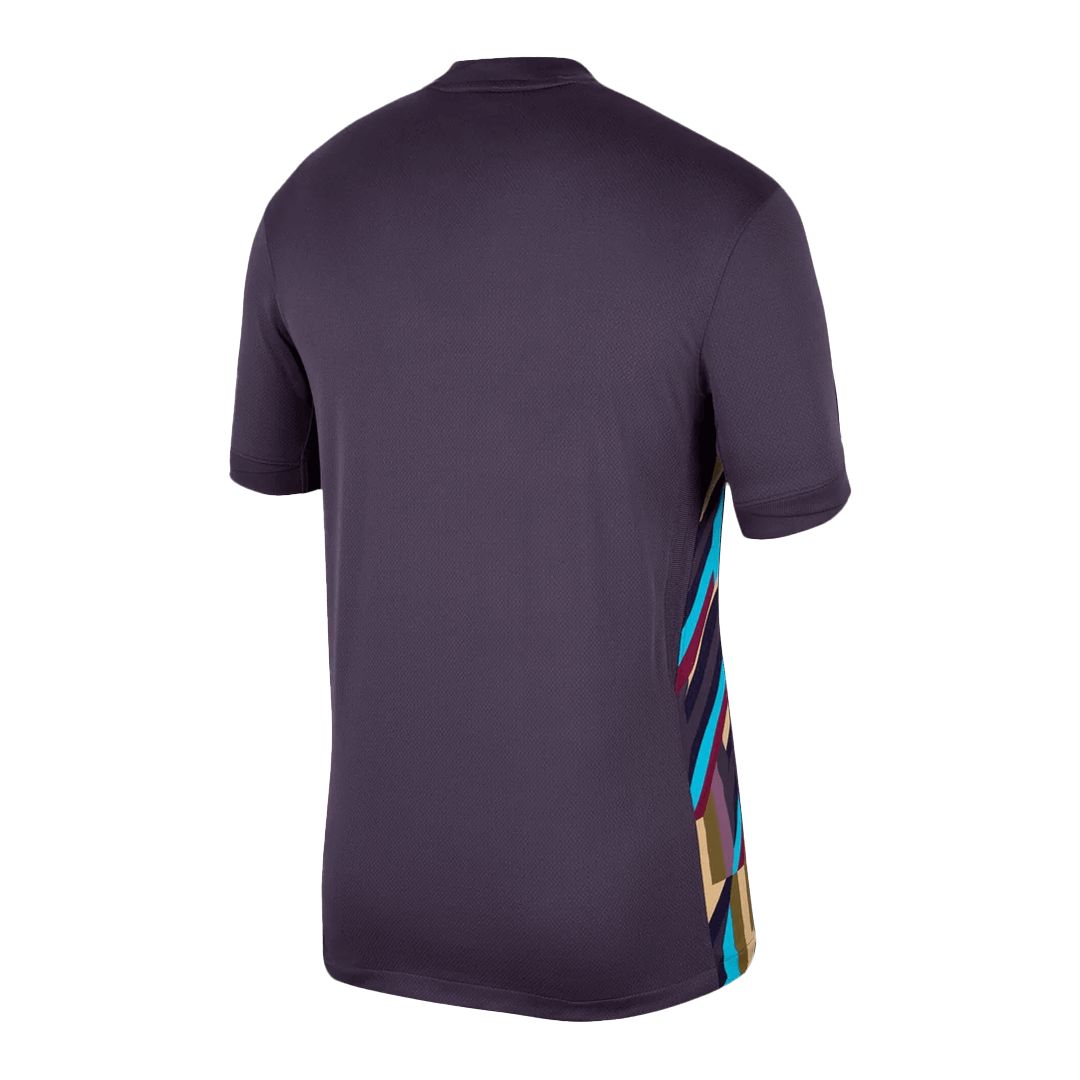


Tuchel's England brace for knockout test against DR Congo with 2016 Iceland humiliation serving as stark warning
The shadow of that humiliating defeat to Iceland at Euro 2016 still looms large over England, and it serves as the perfect warning not to take anything for granted as they prepare for their first knockout match of this World Cup against DR Congo.
It has been exactly a decade since that nightmare in Nice, when Kolbeinn Sigthórsson scored the winner past a hapless Joe Hart, Wayne Rooney toiled in midfield, Harry Kane was taking corners, and Roy Hodgson faced the media after one of the most embarrassing results in English football history. It feels like a different era now, but the scars remain as a reminder of what can happen when complacency sets in.
Expectations were at rock bottom back then, before Gareth Southgate slowly rebuilt the national team's reputation. Progress came in small steps – beating Colombia on penalties in the 2018 World Cup last 16 was considered a major achievement at the time, ending a 12-year wait for a knockout win at a major tournament.
Thomas Tuchel faces a different kind of pressure. When Southgate stepped down after losing the Euro 2024 final, the FA made a conscious decision to bring in a world-class elite coach. Two independent data analysis firms were consulted during the recruitment process, and Tuchel's exceptional track record in knockout football was one of the key factors that landed him the job.
This is where Tuchel earns his money. The ultimate goal is to bring home a second World Cup, but it would be wrong to say England have been convincing so far in this tournament. That thrilling second-half comeback against Croatia in Dallas remains their best performance, and they haven't quite hit those heights since. Jude Bellingham and Harry Kane are in good form going forward, but there are issues to address across the pitch, and DR Congo represent a potential banana skin in this first knockout fixture.
A slip-up in Atlanta would almost certainly spell the end for Tuchel after just a few months in the job. The pressure is firmly on England – they have never lost to an African nation at a World Cup, and nobody will be patting them on the back for simply reaching the last 16 in Mexico City.
Tuchel is fully aware of this. He knows that their 2-0 win over Panama to top Group L was met with a collective shrug from fans and pundits alike, who have come to expect more from this talented group of players.
But rather than being burdened by expectation, Tuchel welcomes it. This is the stage where he thrives. When asked about the fact that Kane, Jordan Henderson, and John Stones were all in the squad that lost to Iceland, he was philosophical: "You won't find any elite athletes who haven't experienced crushing defeats," he told reporters.
Expanding on that theme, he referenced the recent Netflix documentary about Rafael Nadal: "I used to think he just won everything every single year, but when you watch the documentary you see the injuries, the tough losses, the doubts, the sleepless nights. Even champions carry scars. We've all had those moments. I still remember how I felt after that 1-0 defeat to New Zealand in the friendly – I was asking myself: 'Am I actually good enough for this job? Did I get everything wrong?' But you learn, you improve, and you keep going."
Nobody sets higher standards for Tuchel than Tuchel himself. That friendly against New Zealand in Tampa was essentially just a training exercise, but he still went home and spent hours analyzing where things had gone wrong.
That relentless drive is what separates the very best. Tuchel's knockout win percentage at club level sits at an impressive 74%. He won the Champions League with Chelsea in 2021 and led them to three domestic cup finals, lifted trophies with Borussia Dortmund and Paris Saint-Germain, and has a Club World Cup medal to his name. This is when he is at his most dangerous.
"I absolutely love knockout football," he said, though he offered a note of caution. England struggled to break down a deep-lying Ghana defense in their final group game, and he expects DR Congo to set up similarly, making it difficult for England to play through them. Sébastien Desabre's side held Portugal to a draw in the group stage and will look to frustrate England before hitting them on the counter-attack, and they will fancy their chances against an England defense that has looked shaky at times in this tournament.
Tuchel also has a major injury crisis at right-back to contend with, with Reece James sidelined by a hamstring problem and Jarell Quansah ruled out with an ankle injury. He also faces a big call on Bukayo Saka, who has been managing an Achilles issue – does he start him and risk making the injury worse, or does he rest him ahead of a potential quarter-final in Mexico City and hand Noni Madueke a start on the right flank? There are strong arguments for both approaches.
England certainly have the talent to go far in this competition, but they need to show more conviction. Marcus Rashford needs to improve his final ball if he keeps Anthony Gordon out of the side on the left, while Declan Rice will return to partner Elliot Anderson in midfield after being rested against Panama, though both players have been carrying minor muscle injuries.
There is every chance this becomes a tight, scrappy affair, and it could even go to penalties – an area where Tuchel's record is mixed. "Let me tell you a funny story," he said. "My first ever cup final with Dortmund, we played Bayern Munich under Pep Guardiola. It was an absolute nightmare – they were unbelievable that season, breaking records left, right, and center.
"We finished second in the league that year, so we knew we were up against it. We prepared everything tactically – we changed our shape, they changed theirs, we adjusted again, and it went back and forth for 120 minutes. Everyone was exhausted by the end of extra time.
"Then the whistle went for penalties, and I suddenly realized I hadn't prepared for a shootout at all. We were just asking the players: 'Do you want to take one? Are you confident?' They were ready for it mentally, but we as a staff were completely unprepared.
"We lost, and it was one of the most painful experiences of my career. It left a massive scar because I felt like I'd let everyone down. That was the first and last time that ever happened. From that moment on, we built a dedicated penalty preparation program.
"Now at the FA, we have a world-class penalty program in place. We practice it relentlessly, we have a clear process, and everyone knows their job. Penalties are such a crucial part of modern tournament football now.
"We know exactly what we're doing when it comes to shootouts now, but of course there are never any guarantees. I've been involved in some crazy penalty shootouts over the years. But we're at the highest level now, thanks to the support of the FA and all the experience I've gained. Sometimes you need that painful experience to learn and get better."
Ten years on from Iceland, England will be hoping nobody has any reason to draw similar comparisons after this game.