

Boca Juniors vs River Plate rivalry - The historical roots of Superclasico passion
Buenos Aires shakes when these famous teams play. Drums roar loud. Bright flares burn. Fans scream. This game stays the wilder rivalry in sports.
Deep old history feeds this passion across Argentina.
Both clubs started poor in the La Boca docks. Poor immigrants started River Plate in 1901. Local neighbors formed Boca Juniors in 1905 nearby.
Later, River moved away to a rich area. The team left the port for more money. This move created a huge money gap. A simple local sports game became a big fight. Today, every Superclásico lights up Argentine soccer forever!
Key Takeaways
-
Both Boca Juniors and River Plate started in La Boca.
-
This poor neighborhood was their home in the early 1900s.
-
River Plate moved to a rich area later on.
-
This move turned a simple local game into a class war.
-
Boca Juniors leads the overall record today.
-
They have won 94 out of 266 total matches.
-
Passionate fans create amazing energy inside the stadium.
-
Their big energy makes this match a famous world event.
Shared Origins and Split in La Boca
Dockyard Roots of Boca and River
Gritty ships once packed the busy port. Smelly salt air filled the streets. Hardworking Italian settlers built this lively area. They played wild games on mud. Two future giants of argentine football history started here.
-
River Plate: Established in 1901 in La Boca.
-
Boca Juniors: Established in 1905 in La Boca.
-
Shared Origin: Both teams started in poor La Boca.
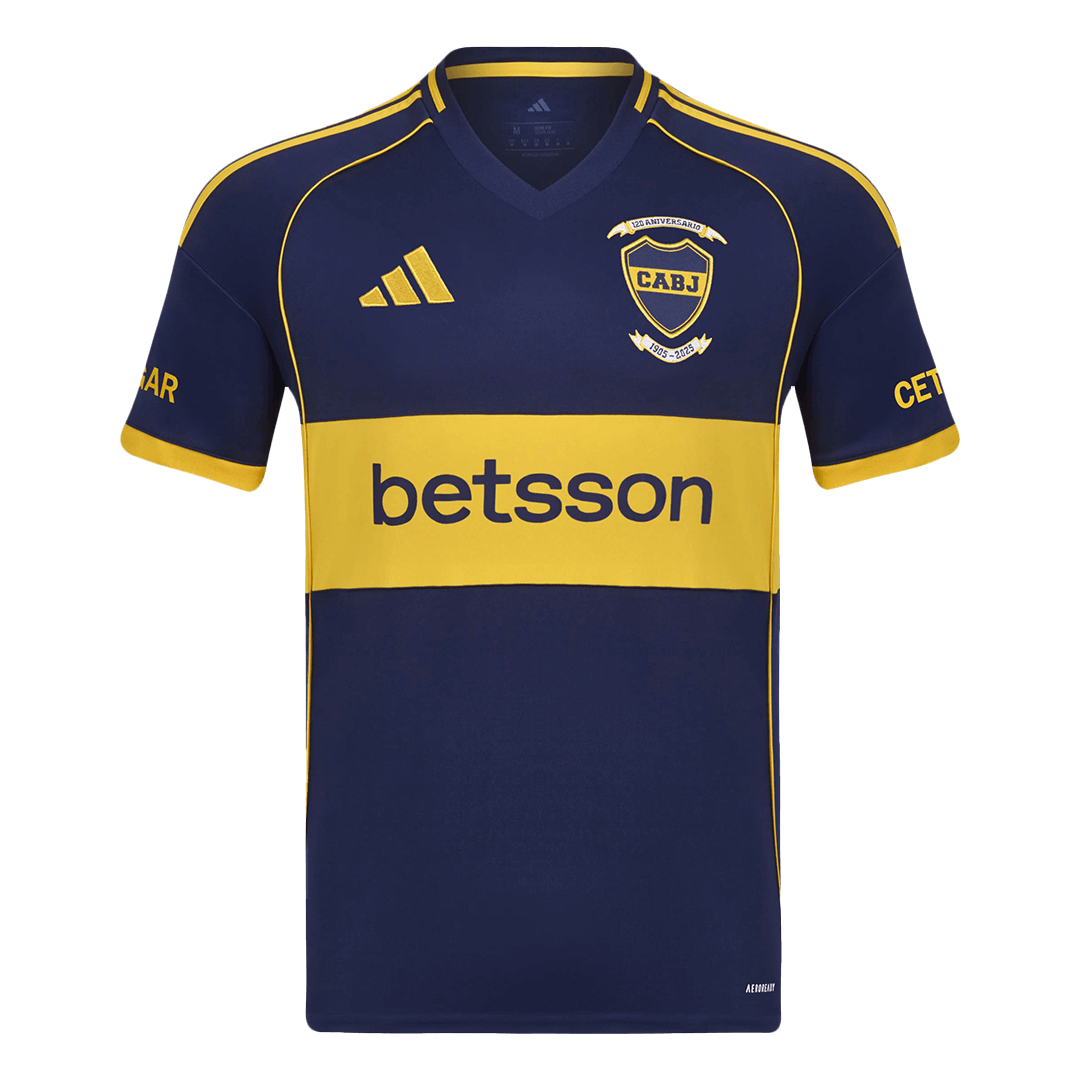
Genoese settlers changed the club forever. Italian immigrants founded Boca Juniors in 1905. Over half the founders came from Genoa. These men built a club for workers. Many Genoese people lived in La Boca. They created the famous nickname "Xeneizes". This word means "Genoese" in their language. The cool name lives on their jerseys today.
Hard work in La Boca created garra. This term means a real fighting spirit. Tough immigrants built this strong attitude. It became the main identity for Boca Juniors.
Early games between neighbors caused huge excitement. Locals cheered every single hard tackle. This fierce fight marked the real superclasico origin.
The Relocation to Nunez and New Identities
Money quickly changed everything for both teams. River moved away from docks in 1925. The team first moved to Palermo. Later, River settled in rich Núñez in 1938.
La Boca Docks (1900s) ---> Palermo (1925) ---> Núñez (1938)
This big move split the two clubs. River bought top players for big money. Wealthy fans loved this northern team. River Plate became the rich club. Meanwhile, Boca stayed in old La Boca. Boca kept its tough dockyard style.
The move turned local games into class wars. Each team picked a side of society. The cool superclasico origin changed the superclasico rivalry. Fans across the nation picked a team. Overall, this split changed football history forever.
River Plate vs Boca Juniors: Cultural Divide
Xeneizes Versus Los Millonarios Identity
Two teams split the big capital city. Fans love their deep roots. These clubs show totally different worlds.
Workers created the port club culture. Ligurian settlers filled La Boca long ago. Boca Juniors started in that neighborhood. People called local fans 'Xeneizes'. That word came from 'Zeneise'. It means 'Genoese' in dialect.
-
Founding Heritage: Italian men built Boca Juniors. They started it in 1905.
-
Linguistic Derivation: Italians called Genoa 'Zéna'. Settlers then called themselves 'zenéixi'.
-
Adoption by the Club: That word changed to 'xeneizes'. Now all fans use it.
River took a very different path. Rich bosses funded the team. They bought pricey gear for players. They built top training fields. Meanwhile, poor workers cheered for Boca. This split creates wild local derby games.
Origin of Bosteros and Gallinas Nicknames
Fans use wild names to tease rivals. Opponents invented these mean words. However, groups now wear them proudly.
Rivals created the name Bosteros to insult Boca.
-
Brick Factory Theory: A brick yard stood nearby. Horses made the air smell bad.
-
Manure Collectors Theory: Early fans worked in streets. They picked up horse waste.
-
Neighborhood Flooding / Sewage Theory: Floods hit old La Boca. Dirty water smelled really bad.
-
Linguistic Corruption Theory: The name came from boteros. That meant small boat drivers.
Boca fans loved the Bosteros name.
Fans called River 'Gallinas' after 1966. River lost a huge final match. They blew a big 2-0 lead. Peñarol beat them 4-2 instead. Banfield fans threw a hen later. The live bird wore a red stripe.
The name 'Gallinas' stuck to River. The team choked in that big final. They let Peñarol score four goals. Banfield fans threw a painted hen. They made fun of River's collapse. Fans still throw plastic chickens today.
Atmospheres at La Bombonera and El Monumental
Homes show the spirit of each team. Both grounds are famous global sights.
-
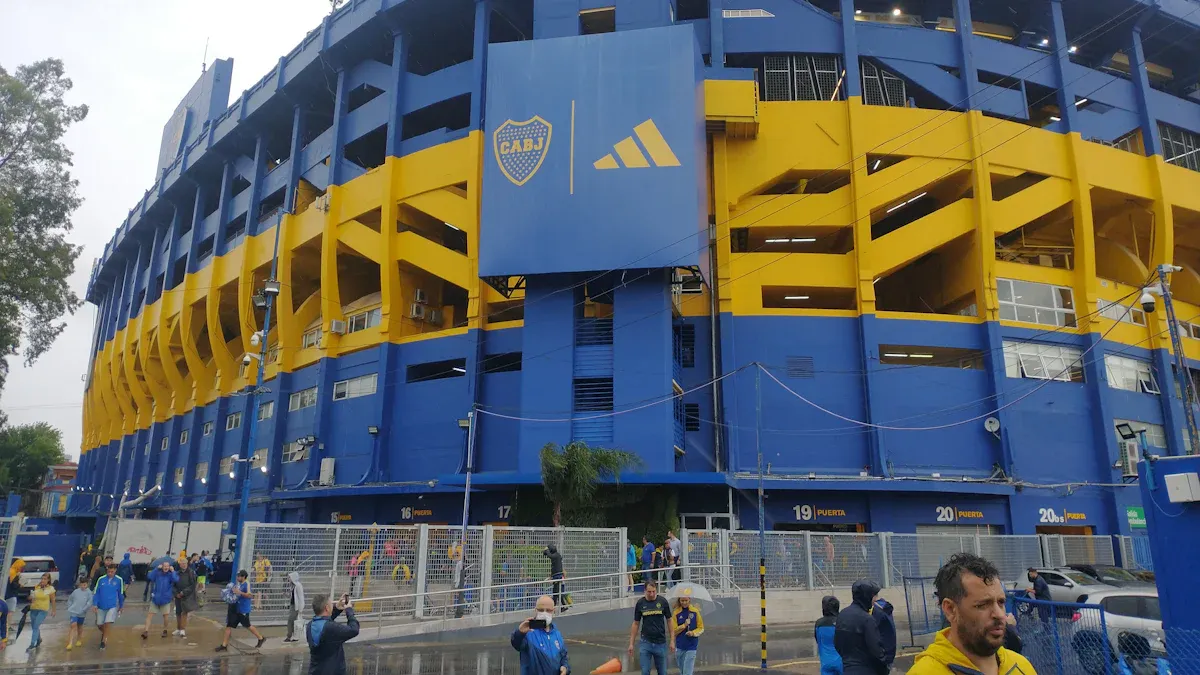
Distinctive Shape: Fans call it the "Chocolate Box". An architect got a candy box.
-
Asymmetrical Stand Layout: One flat stand sits near one street. Three tall stands surround it.
-
Acoustic and Field Features: Steep stands make huge noise. The small field meets FIFA rules.
La Bombonera holds over 58,000 fans. Fans jump together in the stands. The whole concrete ground shakes hard.
River plays in a huge stadium. It hosts great argentine football history matches.
This big ground hosted famous events.
-
1958 Expansion: Workers finished the Sívori Stand. The field held 90,000 fans.
-
1978 Renovations: Workers fixed the roof and lights. They improved all public seats.
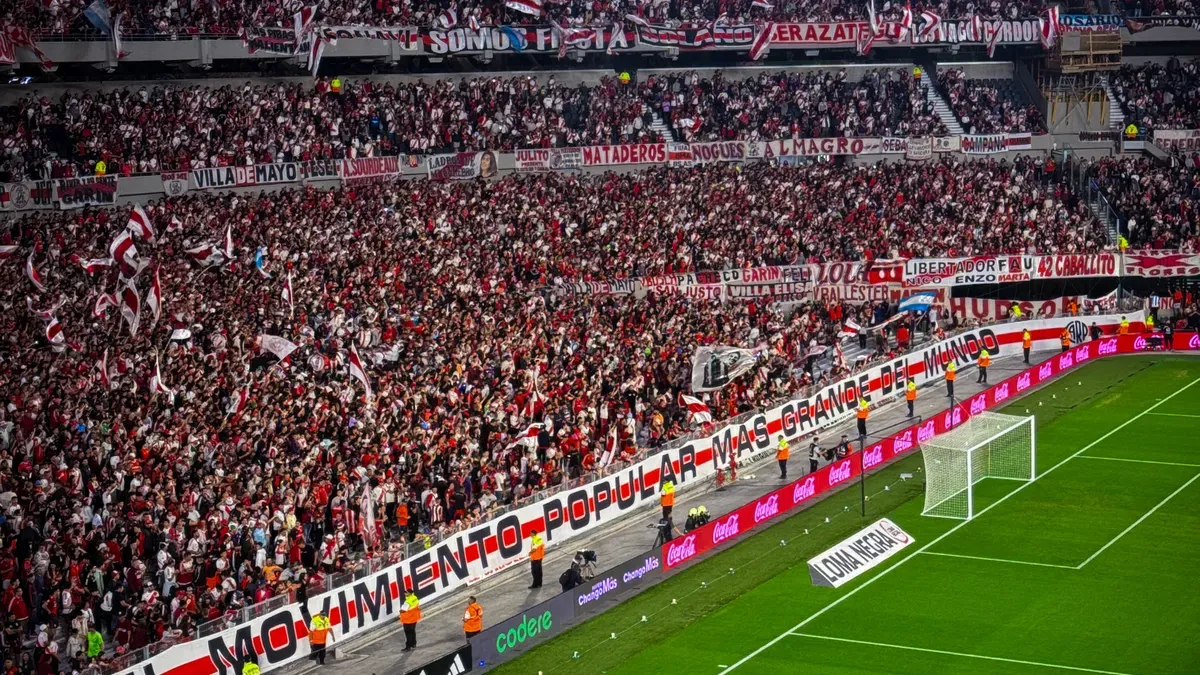
El Monumental holds over 84,000 people. Passionate River fans fill it. Red and white banners hang everywhere. Fans sing together loudly all game.
This clash feeds the superclasico rivalry. Fans love their famous home grounds. Plate fans drop white and red paper. Boca fans bounce on steep stands. They make loud blue and gold noise. Boca fans jump to shake walls. River fans wave bright flags high. River fans keep traditions alive up north. River fans cheer for their team. Fans make big art across stands. Fans celebrate huge wins all night. River families pass down this love. Boca fans sing old dock songs.
Superclasico Records and All-Time Statistics
Head-to-Head Totals and Championship Counts
Data fans love this big football derby! Years of wild games created amazing records. Boca leads River in total head-to-head wins.
These match numbers show a close race. Boca fans brag about huge derby wins. River supporters show off their many domestic trophies. In 1928, Boca set a win record. They crushed River with a 6–0 score! That wild game made big football history. Still, these rival team stats stay tight. Every new match can change the overall leader.
Superclasico Icons from Maradona to Reinaldo Merlo
Great stars made this huge match famous!
Diego Maradona brought pure magic for Boca fans. He scored a famous 1981 River goal. He slid across wet grass. He passed defenders with easy grace. That play made him a legend forever.
Meanwhile, River fans loved stars like Reinaldo Merlo. Reinaldo Merlo featured in 42 Superclásico fixtures throughout his career playing for River Plate, achieving the highest number of appearances in this derby match by any player in history.
Other top players brought huge drama. Boca fans cheered major team wins. River players always fought back hard. Red chest stripes gave River energy. Local fans cheered every hard tackle. Great River stars won big trophies. Strong Boca stars brought huge pride. These Boca players thrilled every single fan. River supporters honored their heroes. River players celebrated big wins together. Boca fans sang loud chants. River stars smiled happily. River heroes smiled back. River leaders cheered loud. River stars celebrated more. Boca legends waved high. Boca fans cheered forever!
Legendary Superclasico Clashes and Passion
Fan Fanaticism and Barras Bravas Influence
Wild passion drives every superclasico match. Strong fan groups make wild game energy. These groups bring bright color to stands. Yet, their power brings real danger.
Bad events changed local sports forever.
-
Gang-like Escalation: Fan groups run illegal crime deals.
-
Incitement of Violent Incidents: Mean fights hurt the fun game.
-
Severe Regulatory Consequences: Bad actions caused a away fan ban.
Now, only local fans fill the seats.
High-Stakes Scandals and the 2018 Madrid Final
Big pressure brings wild trouble in finals! ⚽
The 2015 game brought shocking moments. One bad fan sprayed painful pepper spray. The bad spray hurt River players fast. Referees stopped the game right then. Officials kicked Boca out of games. River moved to the next round.
2015 Incident: Boca Tunnel Attack ---> Match Canceled ---> River Plate Advances
Later, a huge match shocked the world. Boca played River in a 2018 final. Fans wanted a big total win.
Fights started before the second match. Angry fans threw rocks at a bus. Glass broke and hurt Boca players inside. Police gas floated into the bus seats.
This bad fight stopped the local game. Leaders moved the game far away. Spain hosted the big final match. River beat Boca 3-1 in Madrid. River won the top gold trophy. This big game showed wild sports passion.
One hundred years passed. Locations changed over time. Class tensions grew strong. Neighborhood history shaped clubs. This derby stays intense. Global sports know it. Boca kept working-class roots. Old port docks remained. River built rich traditions. Northern suburbs housed them. This rivalry grew bigger. It beat simple scores.
This game lives today. It stays a big deal. ⚽
Devoted fans pass love. Generations share this passion. Parents dress tiny babies. Club colors cover them. Grandparents share old games. Young kids listen close. Endless passion stays strong. Argentine soccer thrills fans. Everyone loves this game.
FAQ
What does Superclasico mean in Argentine soccer?
Local fans use this term. It means Boca vs River. Big rivals meet here. River brings northern style. Boca brings port energy. Every game brings big drama! 🏆
Why do River Plate fans bear the chicken nickname?
Boca fans made this nickname. River lost a game in 1966.
-
River lost a huge lead.
-
Other fans threw a hen. It wore a red sash.
River stars still hear clucking! 🐔
Which stadium hosts the wildest Boca Juniors atmosphere?
La Bombonera feels very magical! Boca fans jump in steep stands. Bouncing shakes concrete floors. River players face loud noise. ⚽
Can international tourists watch a live Superclasico?
Tourists buy tickets through agencies. Rules ban visiting Boca fans. River fans march in streets. River crowds cheer near rivers. River families wave red flags! 🎟️