

Boca Juniors: More Than a Football Club – A Story of Immigrants, Grit, and Glory
When you think of Argentine football, two names usually come to mind: River Plate and Boca Juniors. But for anyone who knows the real story, Boca is not just a team – it’s a way of life. It’s the smell of fish and saltwater from the old port, the bright yellow and blue of a Swedish ship’s paint, and the roar of fans packed into a stadium that shakes like a drum. This is the story of Boca Juniors, from a tiny neighbourhood in Buenos Aires to one of the most famous clubs on the planet. And it’s a story that still matters today – especially as the club faces new challenges in a football world ruled by money and data.
The Birth of a Neighbourhood Team
Boca Juniors was officially born on 3 April 1905, but the idea came together a few days earlier. A group of about 30 Italian immigrants – mostly from Genoa, but also from Basilicata and Campania – met in houses and in the square in the La Boca neighbourhood. They wanted to create a club that would bring their community together, give young people something to do, and make life a little brighter in a poor, working-class area.
The five official founders were all sons of Italian emigrants. Their names were Farenga, Scarpati, Baglietto, Sana, and Farenga again – two brothers. At first, they thought of calling the team Hijos de Italia (Sons of Italy) or Estrella de Italia (Star of Italy). But in the end, they chose Jóvenes de la Boca – which one of them, who spoke English, translated as “Boca Junior’s”. The apostrophe later disappeared, and that’s how we got Boca Juniors.
Right from the start, the club was about belonging. It wasn’t about being rich or fancy. It was about working-class pride. And that identity has never really changed.
The Famous Jersey – Born from a Ship
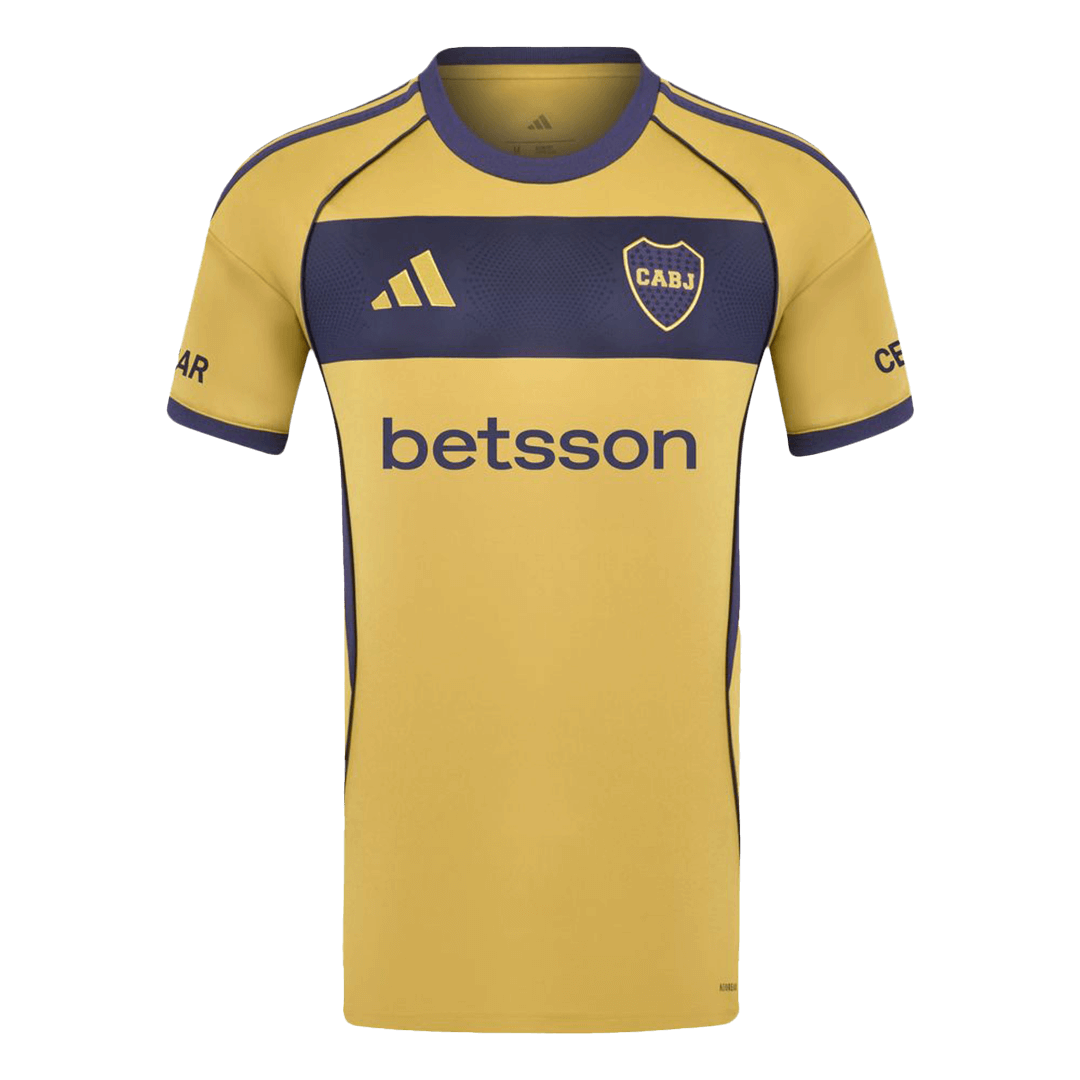
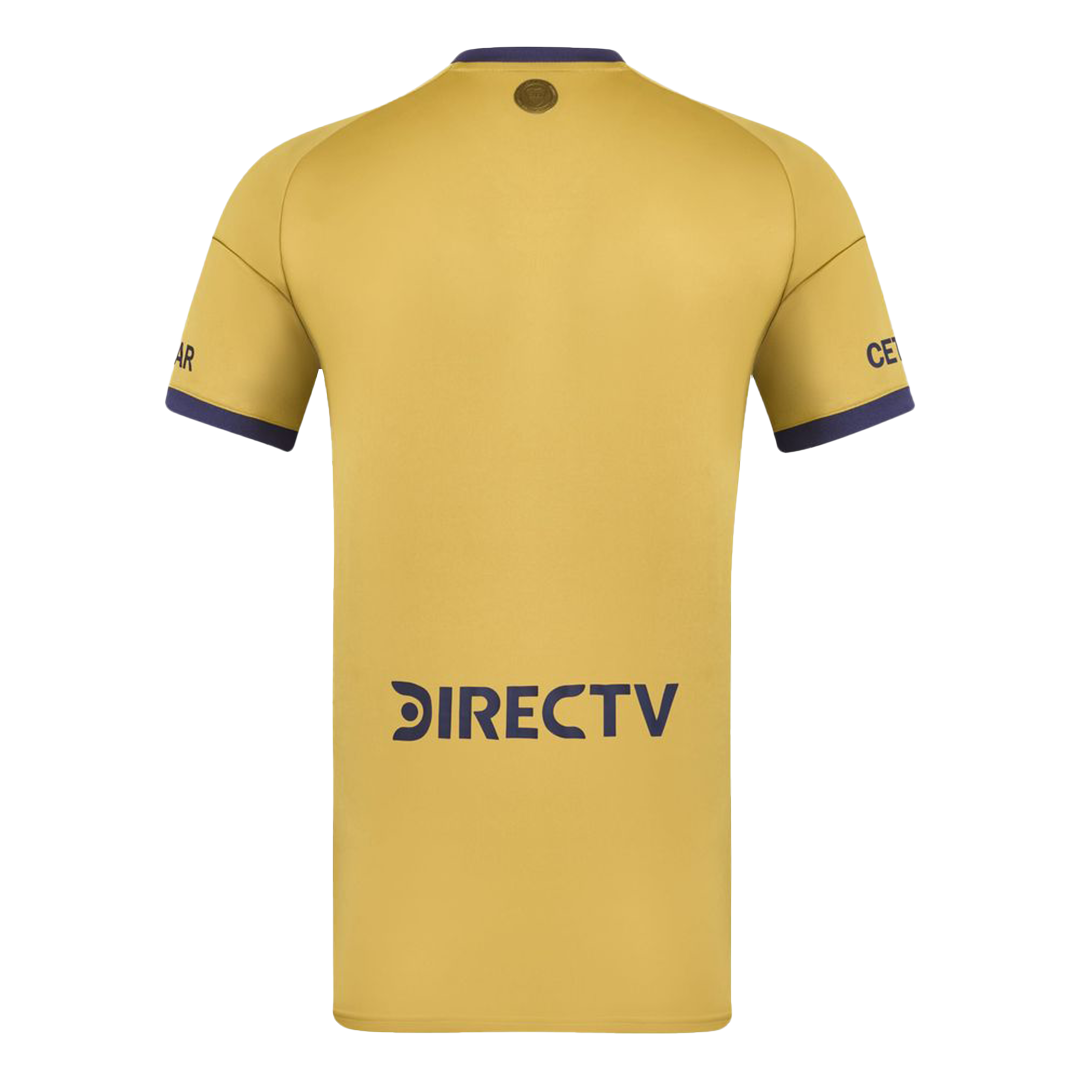
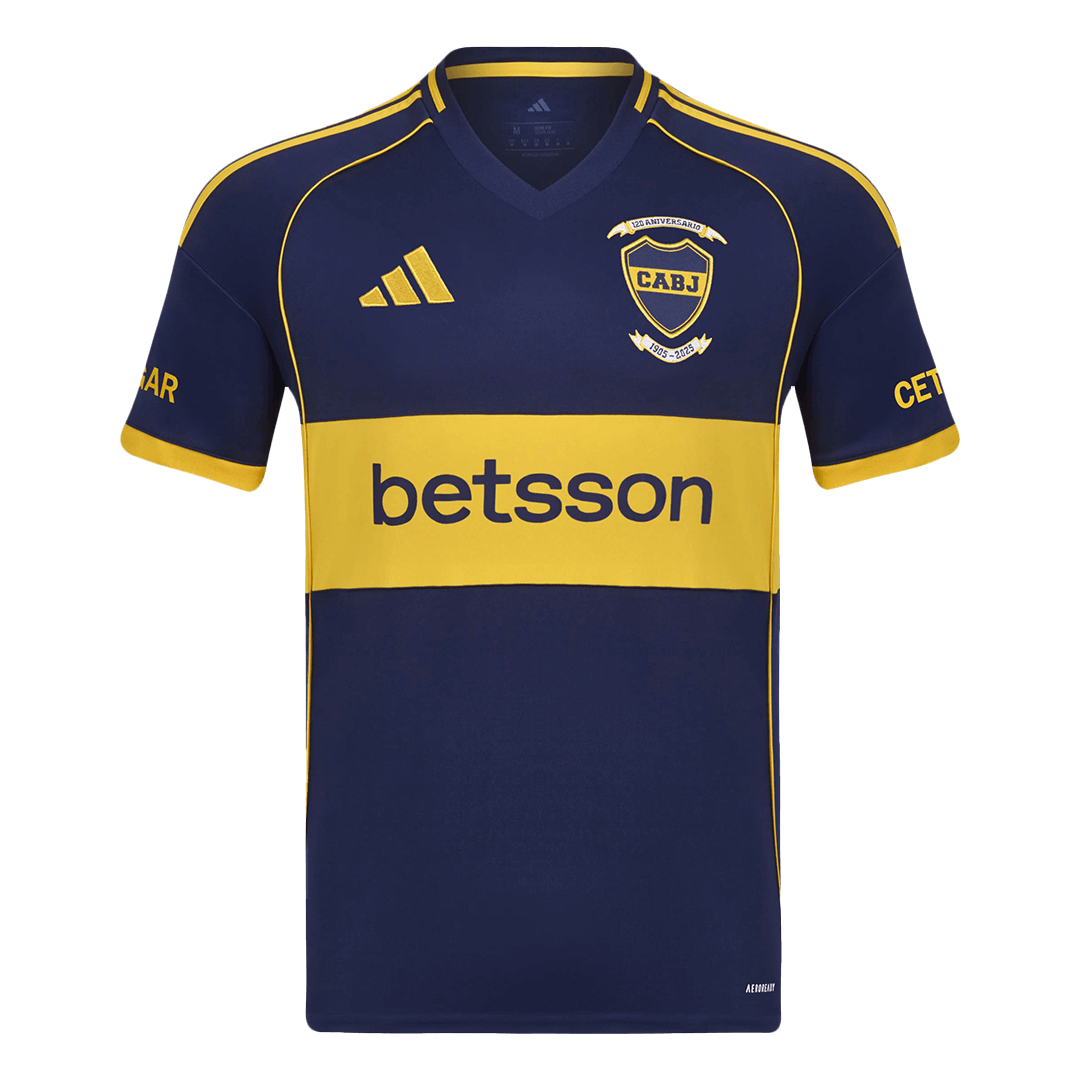
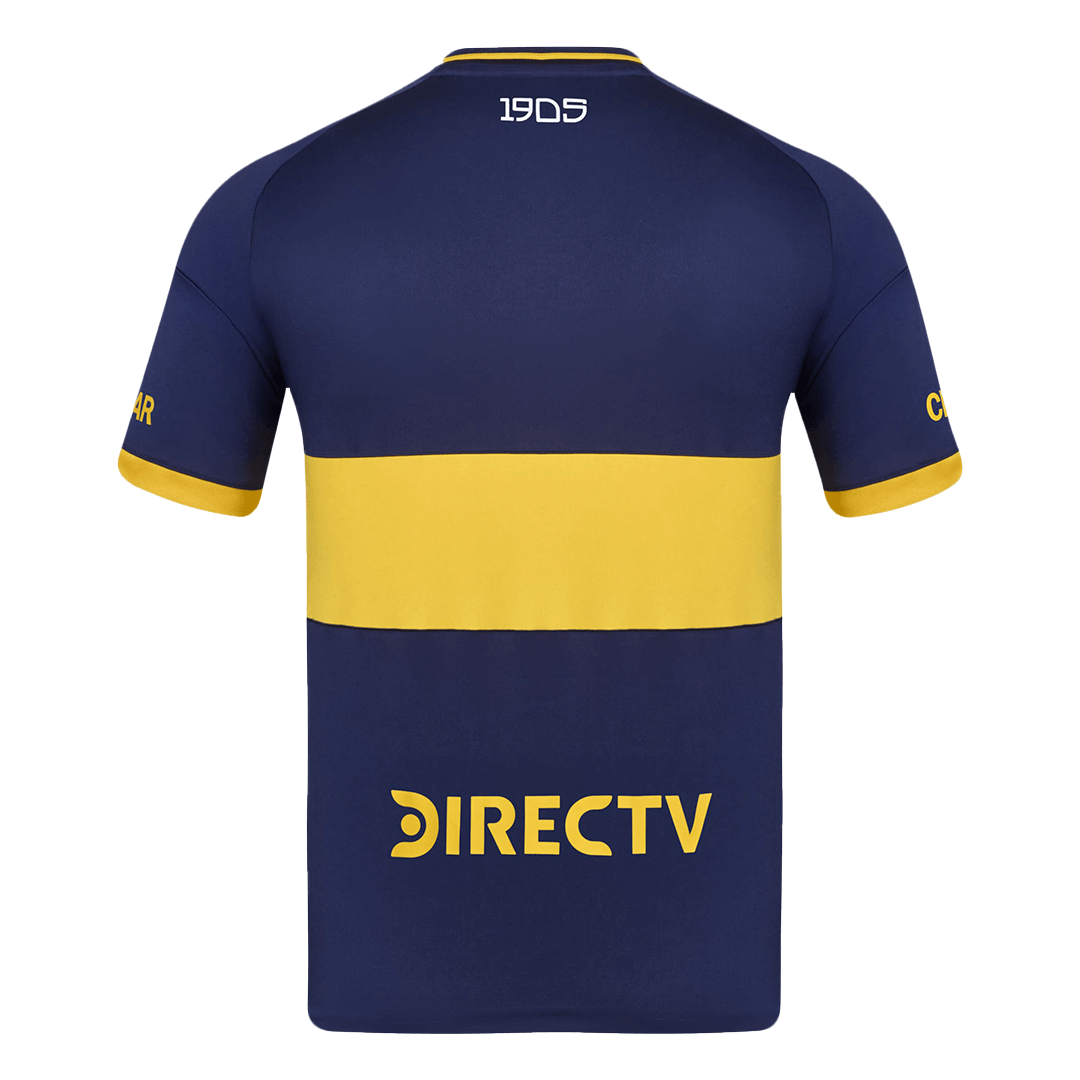
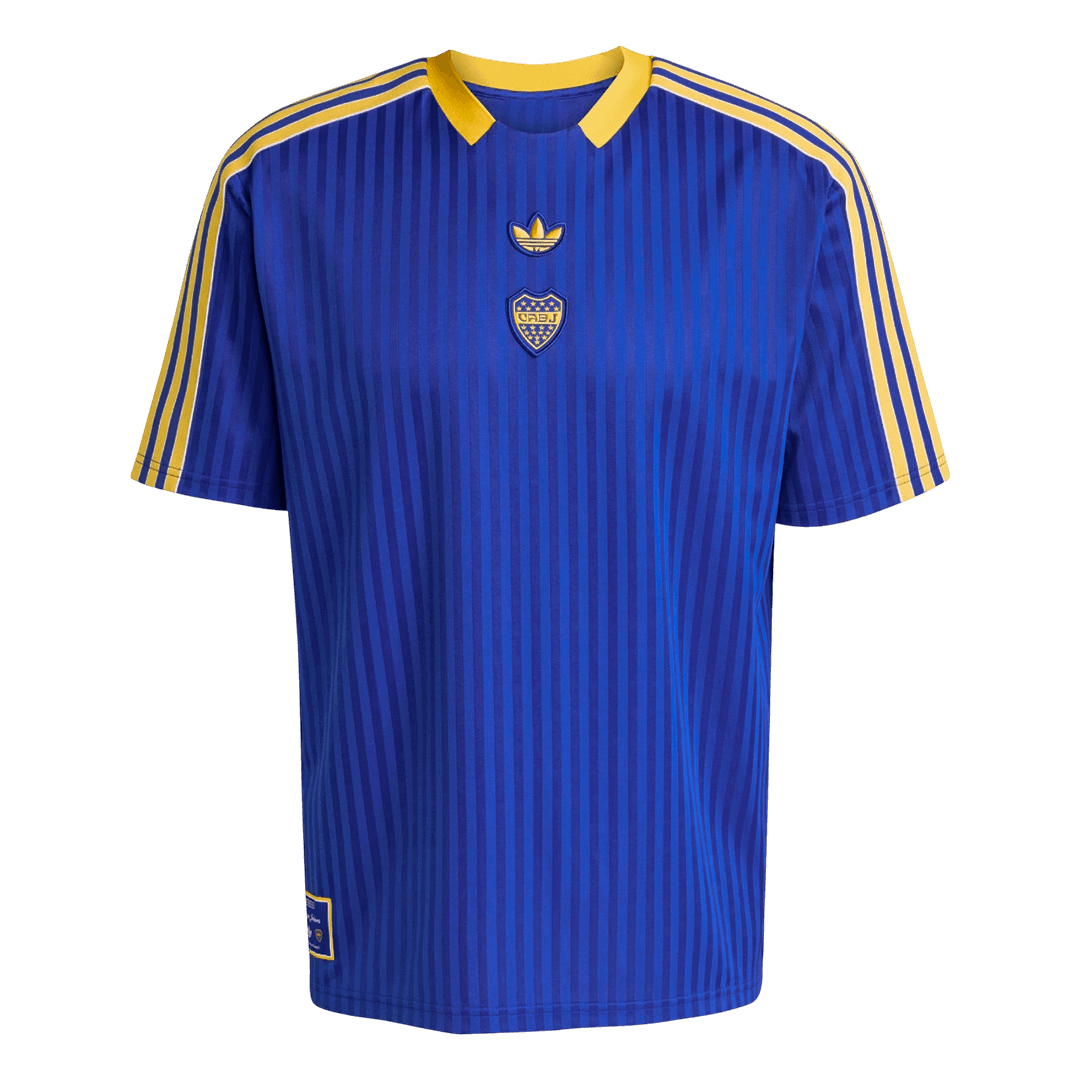
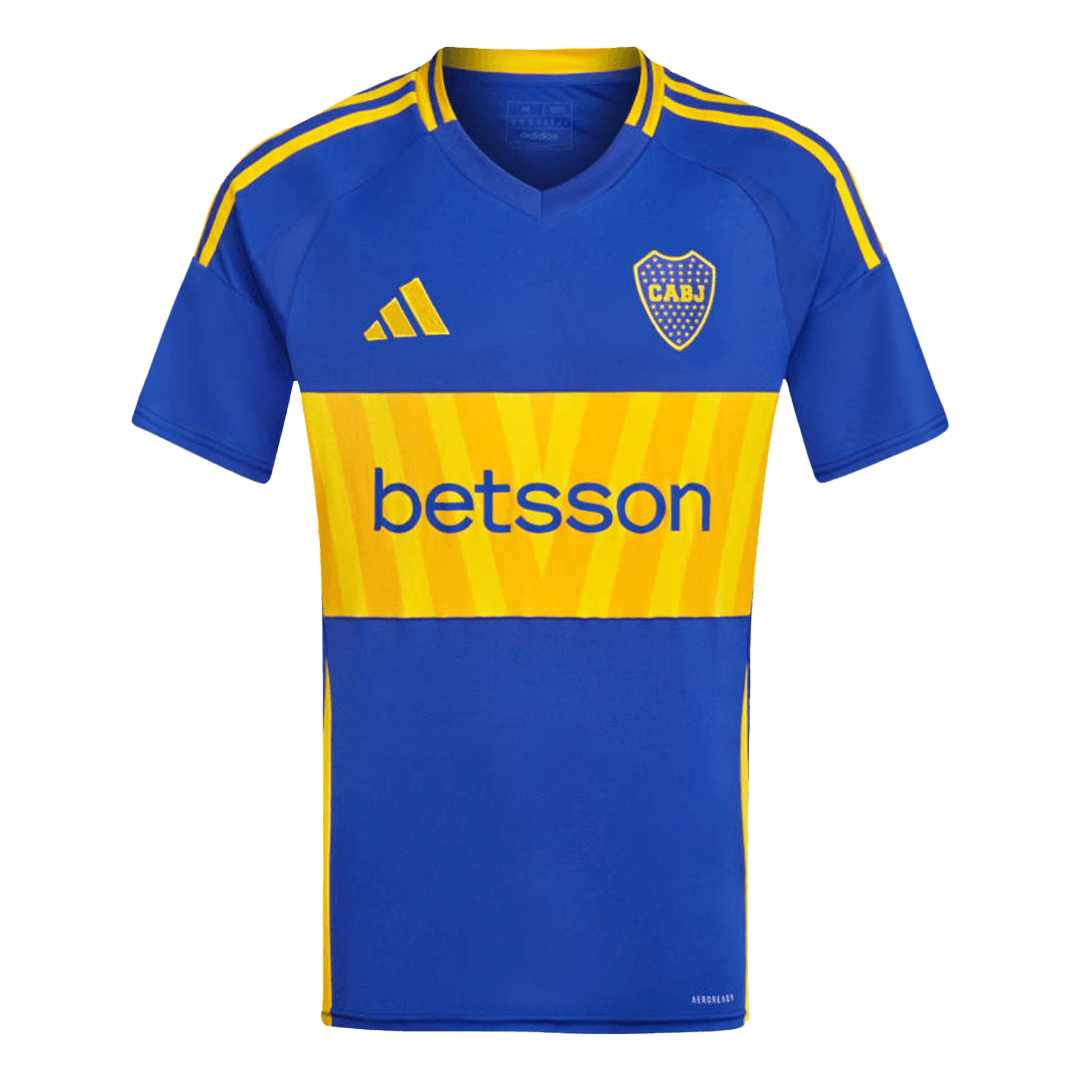
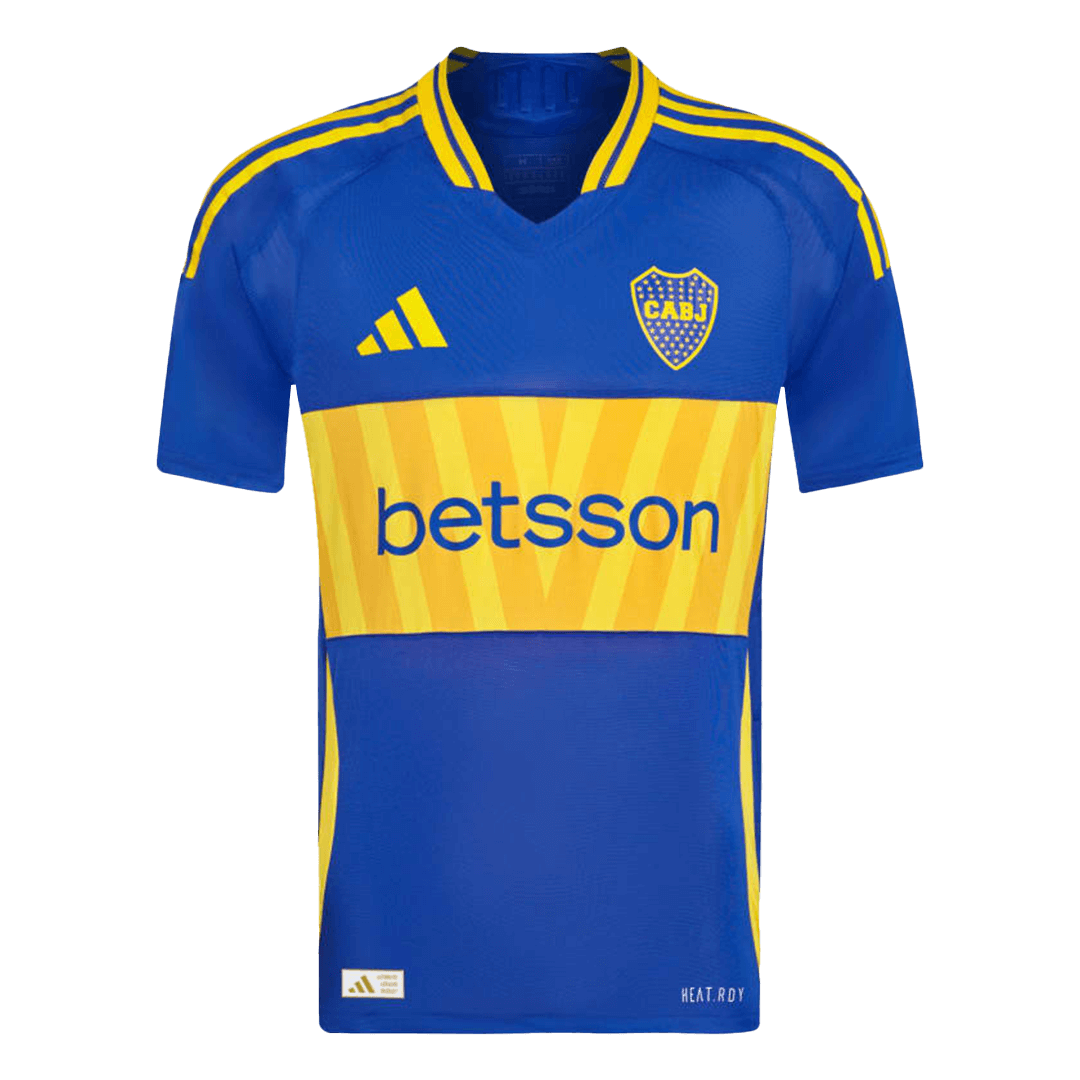
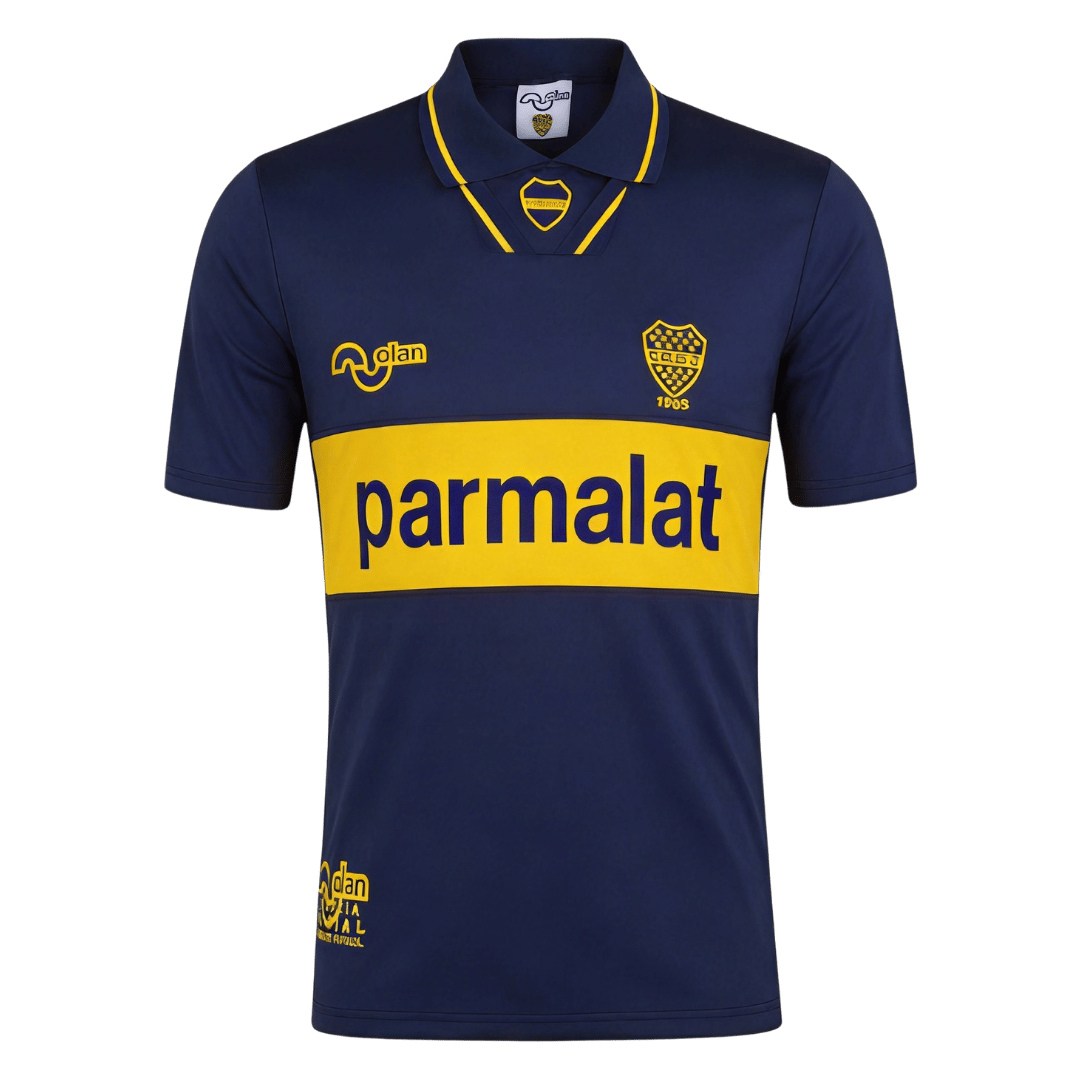
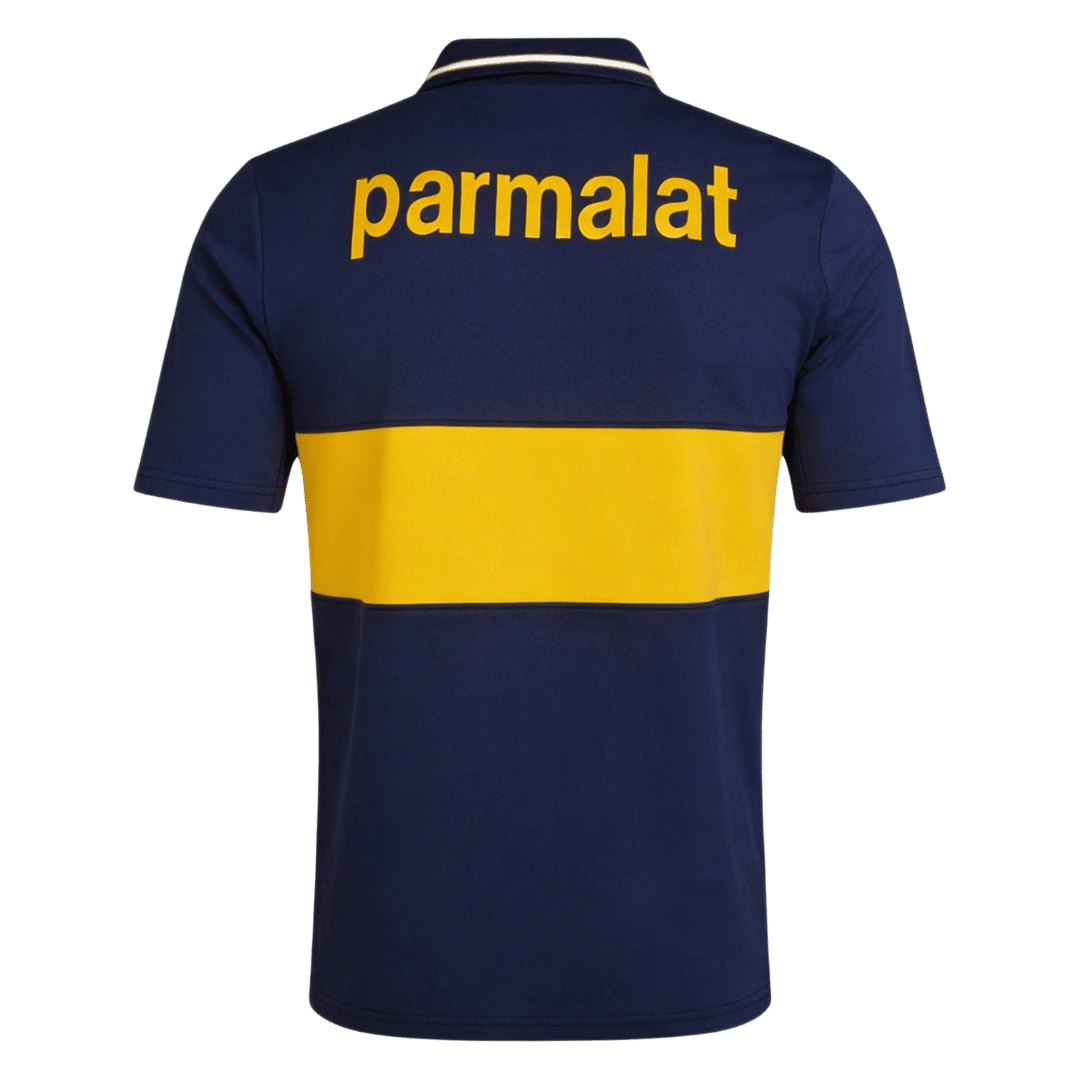
One of the most iconic things about Boca is its boca juniors jersey. You can spot it from a mile away: bright blue and yellow halves. But the story behind it is pure Boca.
In the early days, the club didn’t have money to buy proper uniforms. So a group of founders went down to the port and looked at a Swedish ship called the Olsen. They took the yellow and blue paint that was used for the ship and used it to colour their first shirts. That’s right – the boca juniors soccer jersey was literally born from leftover paint on a cargo boat. No fancy sponsor, no designer label. Just hard work and creativity.
Today, that jersey is a symbol of resistance and pride. When you see a fan wearing a boca juniors jersey sale item – whether it’s an original or a cheaper copy – you know they’re part of a tribe. The jersey says: “I come from the streets, and I’m proud of it.”
The Stadium: La Bombonera – The Chocolate Box
Boca plays in a stadium called La Bombonera (The Chocolate Box), because of its square, boxy shape. It was built with wood and iron sheets at first, and later reinforced with steel plates from shipbuilding. The stands are so steep – almost 35 degrees – that when fans jump, the whole ground shakes. Opponents hate playing there. It’s loud, tight, and intimidating.
There’s even a tradition of spraying sea water in the dressing room before matches, to remind the players of the port where the club was born. And the away team’s changing room is kept hot and noisy, with horn sounds playing – just to make them feel uncomfortable. That’s Boca’s way: use every trick you have to win, because life doesn’t give you anything for free.
Legends Who Wore the Blue and Yellow
Boca’s history is full of giants. The most famous is, of course, Diego Maradona. He played for Boca in 1981–82, scoring 28 goals in 40 league games and winning the league title. He wasn’t there long, but he became a spiritual symbol. When Boca was relegated in 1984 (yes, even giants fall), Maradona paid players’ salaries out of his own pocket and scored an incredible bicycle-kick goal in a derby match. That’s the kind of loyalty we’re talking about.
Then there’s Juan Román Riquelme, the “last classical playmaker”. He played nearly 400 games for Boca, won three Copa Libertadores titles, and ran the game at his own pace – slow, elegant, and deadly. He once said: “Boca will never become River Plate. Our medals are scars, not silk.” That sums it up perfectly.
Martín Palermo is the club’s all-time top scorer with 236 goals. He scored twice in the 2000 Toyota Cup against Real Madrid – a night that made the whole world watch Boca. Carlos Tevez, the “Apache” from the slums, came back three times to save the club. He had a tattoo of his poor neighbourhood on his arm, and he never forgot where he came from. Even Gabriel Batistuta – the “Batigol” – started his legendary career at Boca before moving to Europe.
These players didn’t just play football. They bled blue and yellow. They made the boca juniors jersey mean something deeper than just a piece of clothing.
The Football Philosophy: Anti-Possession and Street Smarts
While most big teams today try to control the ball, Boca has always been about counter-attacks, intensity, and chaos. Coaches like Carlos Bianchi and Alfio Basile created what some call “anti-possession” football. In the 2007 Copa Libertadores semifinal against Grêmio, Boca had only 38% possession but scored three goals on seven counter-attacks. Their rule: once you win the ball, you have five seconds to shoot or cross. No tiki-taka. Just punch.
Their youth academy, La Escuelita, is famous for its tough love. They don’t look for polished kids. They look for street fighters. Scouts watch unofficial “bullring” matches in the slums. They give young players half-deflated balls to see how creative they can be. They make them dribble blindfolded around oil drums, or shoot on rocky ground to build strong feet. It sounds crazy, but it works. In the 2022 World Cup, four Argentine champions – including Julián Álvarez and Nahuel Molina – came from Boca’s system.
The Dark Times – Relegation and Rebellion
Not everything has been glorious. In 1984, Boca was relegated for the first and only time. It was a financial and sporting disaster. Angry fans even kidnapped the club president and made him kneel in the centre circle of La Bombonera as punishment. It sounds like a movie, but it really happened.
Even during those dark days, the fans never gave up. And the club fought back. In 2000, under Bianchi, Boca won everything – the local league, the Copa Libertadores, and the Toyota Cup. They beat Real Madrid with a team full of homegrown players and ageing warriors. That victory wasn’t just about football. It was about showing that a poor club from a port neighbourhood could beat the richest team in the world.
Financial Troubles and Identity Crisis
But the biggest fight today is off the pitch. Boca has a debt of about 20 million – a lot of money, but less than what River Plate got for similar players. Season ticket prices have gone up 300% in five years, but membership is still the cheapest in South America – just $30 a year.
Worse, the club is losing its identity. Many young players care more about Instagram than about the jersey. Some fans worry that the famous barra brava (ultra group) is getting older and can’t attract new members. There’s even a recruiting poster that says: “We need 2000s kids who can throw flares.” That’s not exactly a healthy sign.
When Tevez retired, he complained: “Now kids score a goal and look for the phone camera first.” That’s the new reality – and it hurts for those who grew up with Maradona and Riquelme.
Why Boca Still Matters
So why do we still care about Boca Juniors? Because they represent something bigger than trophies. They represent the dream that you don’t need to be rich to be great. They represent community, struggle, and authenticity. Every time a kid in a poor neighbourhood puts on a boca juniors jersey, they feel like they can take on the world. Every time a fan buys a boca juniors soccer jersey – even a cheap one on a boca juniors jersey sale – they are buying a piece of that dream.
Boca is not perfect. They have made mistakes. They have sold their best players. They have lost big matches. But they have never lost their soul. The new stadium renovation will include a hologram of Maradona’s “Hand of God” goal. That’s not about technology – it’s about memory.
Conclusion: The Eternal Underdog
In 2026, as Boca walks onto the pitch against Bayern Munich in the World Club Cup, they will be the underdogs. The smart money says they’ll lose. But Boca has never cared about smart money. They care about fight, about history, and about the fans who sing until their throats hurt.
Maybe they won’t win the tournament. Maybe they’ll sell more young stars next year. But as long as there is a boca juniors jersey flying in the stands, as long as there is a kid in La Boca kicking a half-deflated ball, the spirit of those five Italian immigrants from 1905 will live on.
Because Boca isn’t a club. It’s a rebellion. And rebellions don’t end – they just change shape.