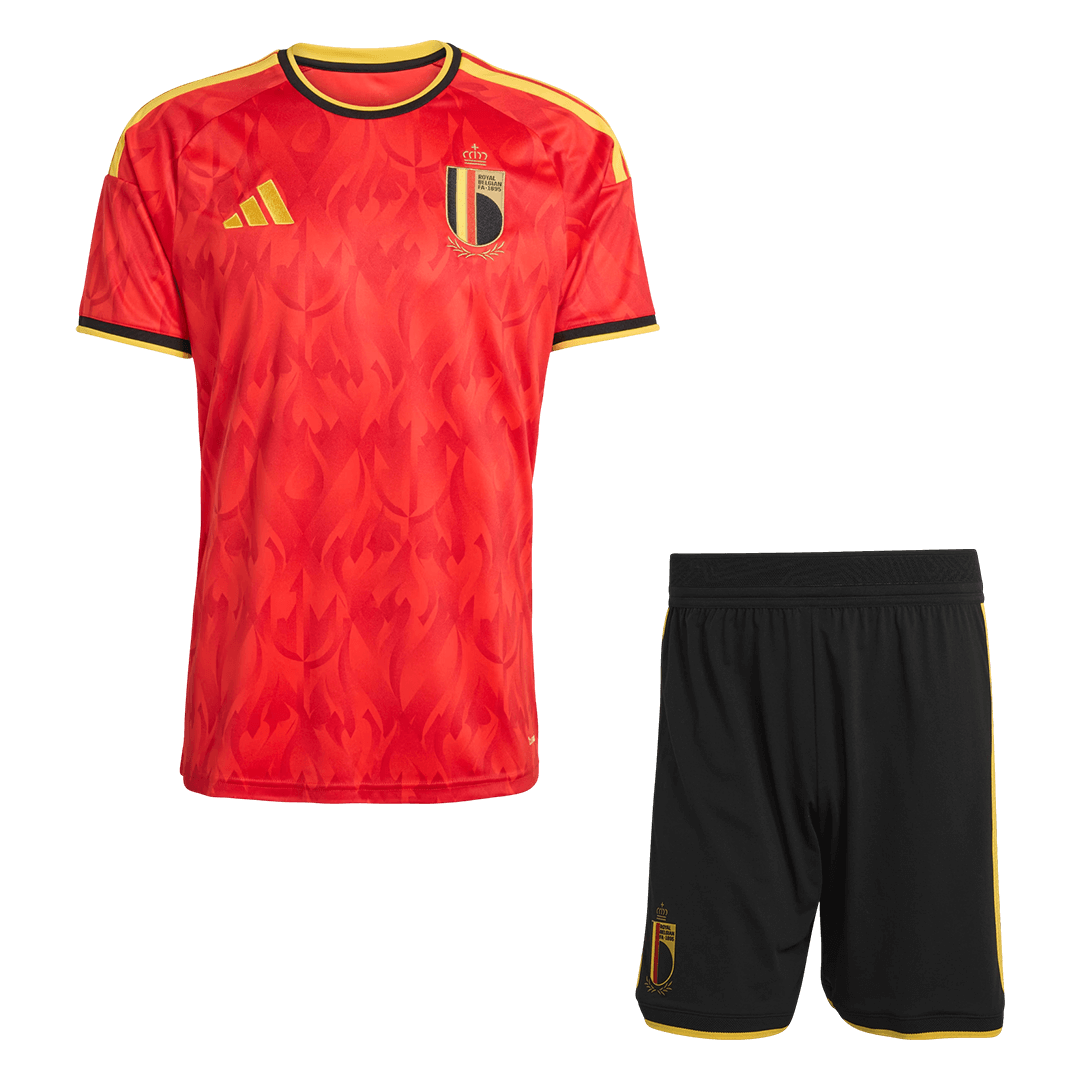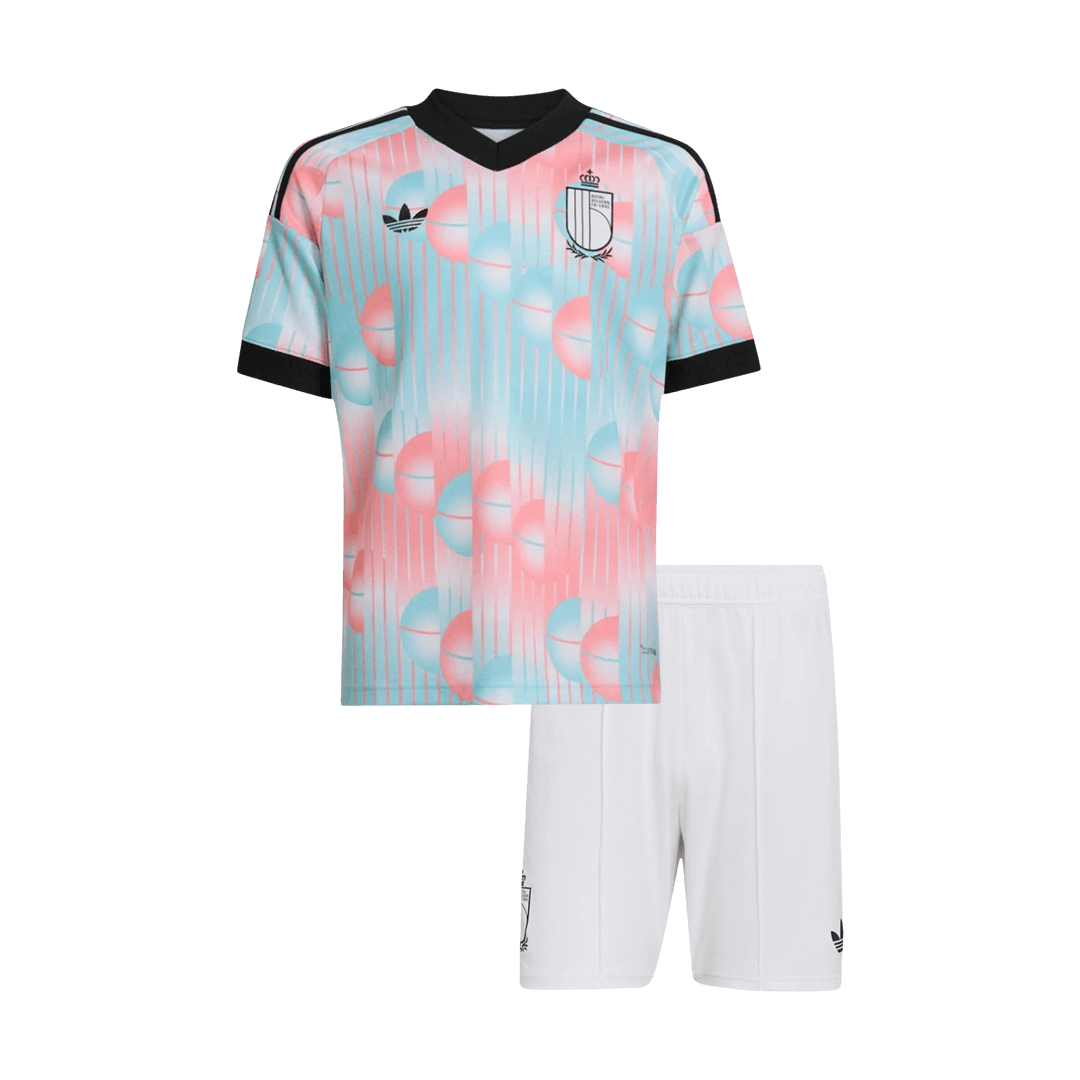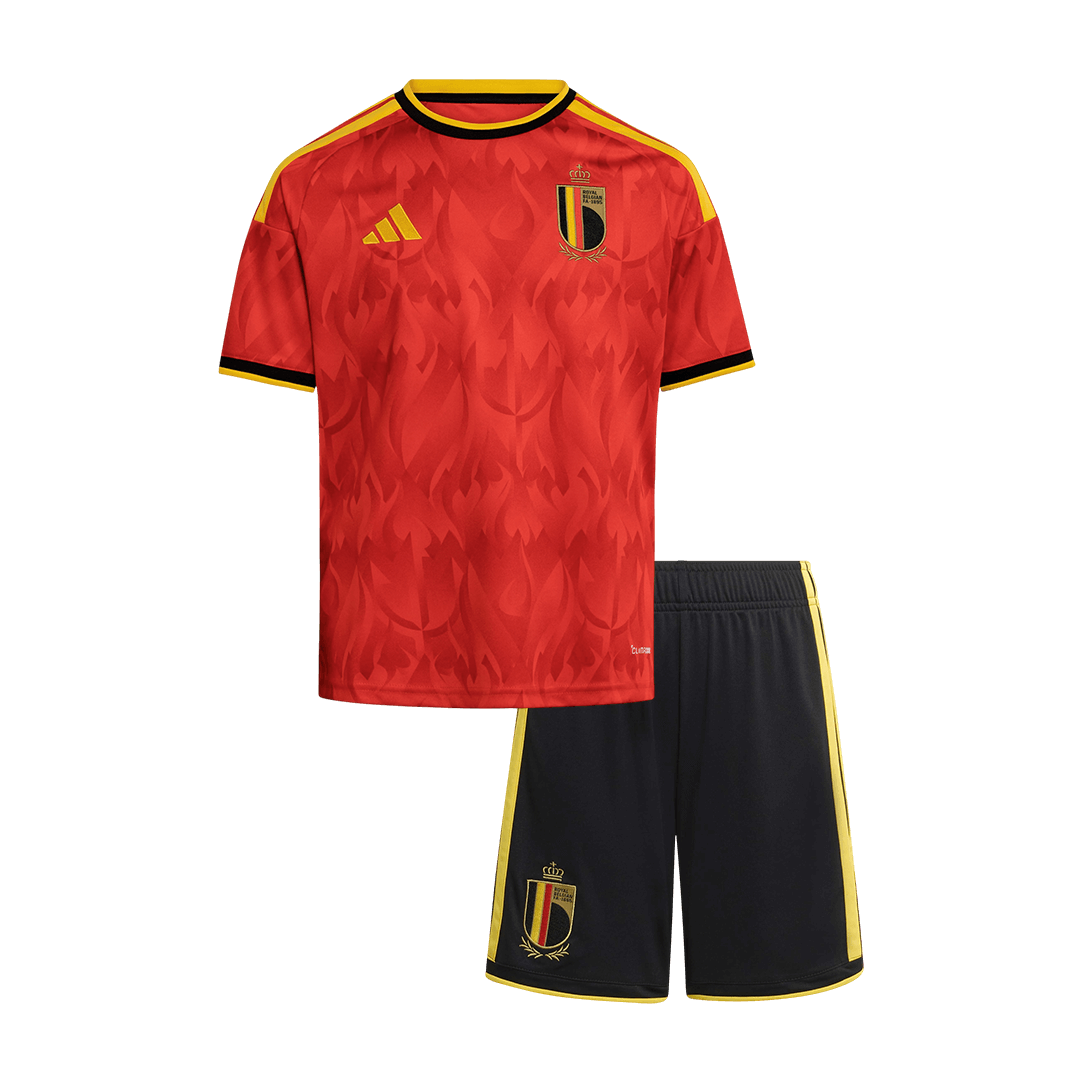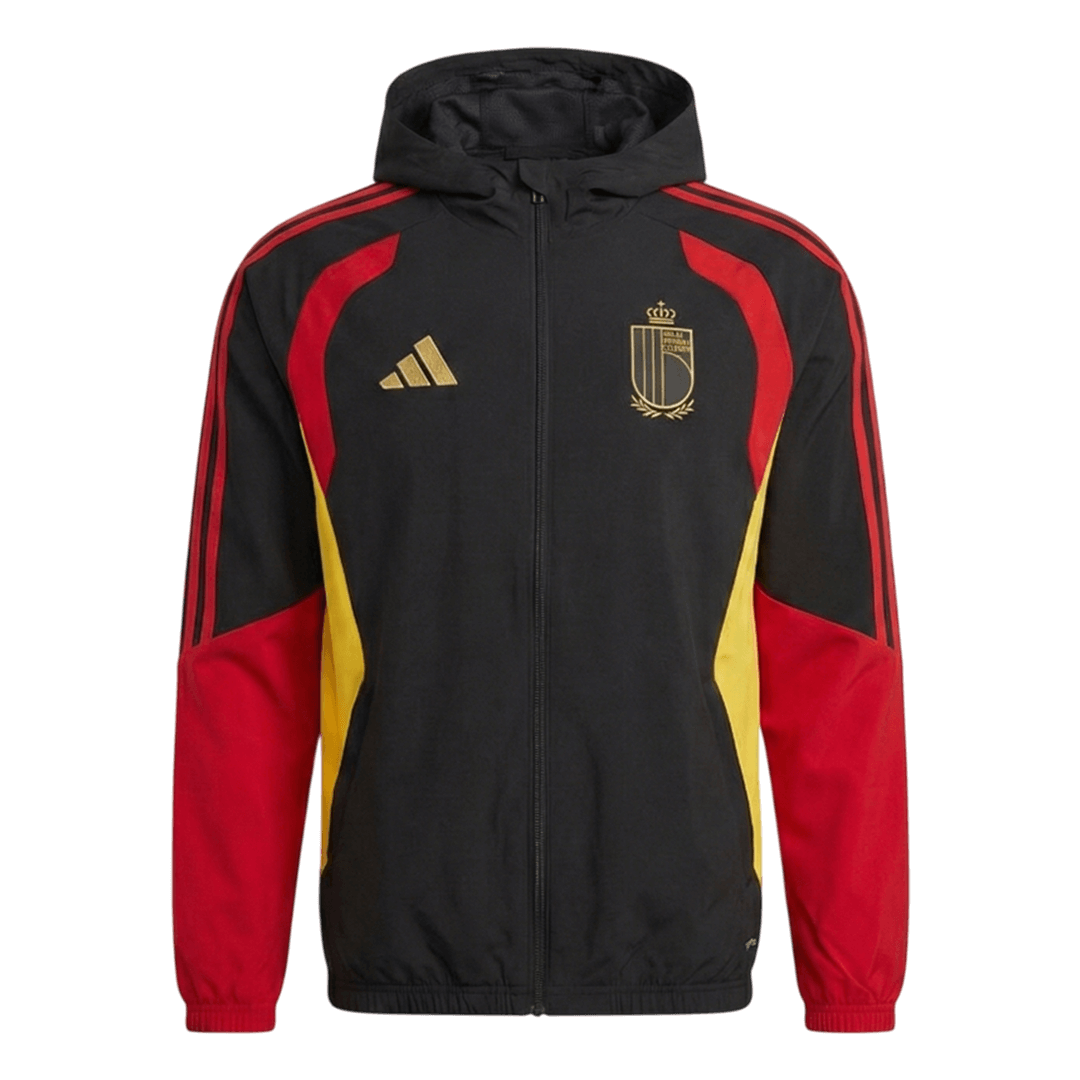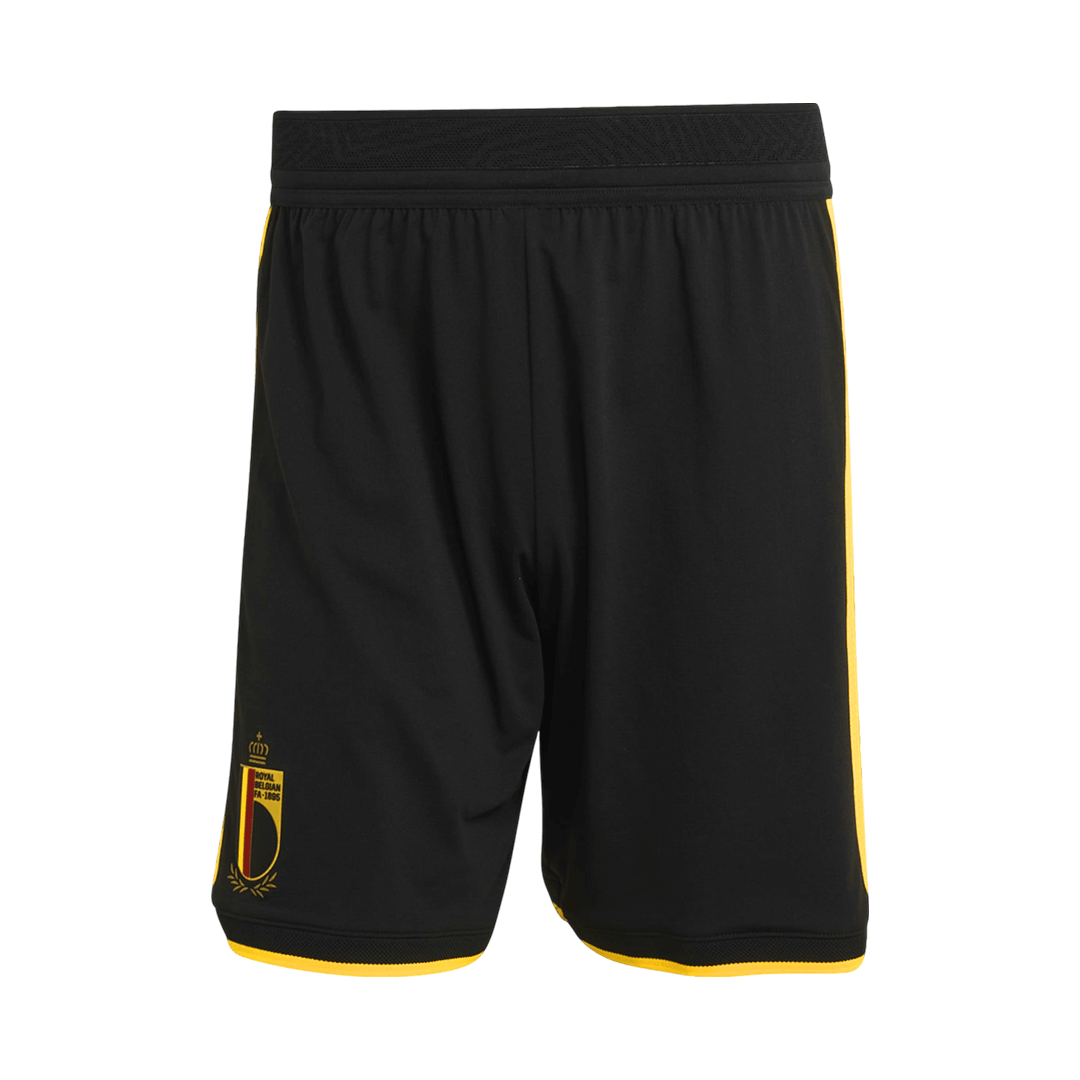


Belgium's golden generation shines again in the 2026 World Cup
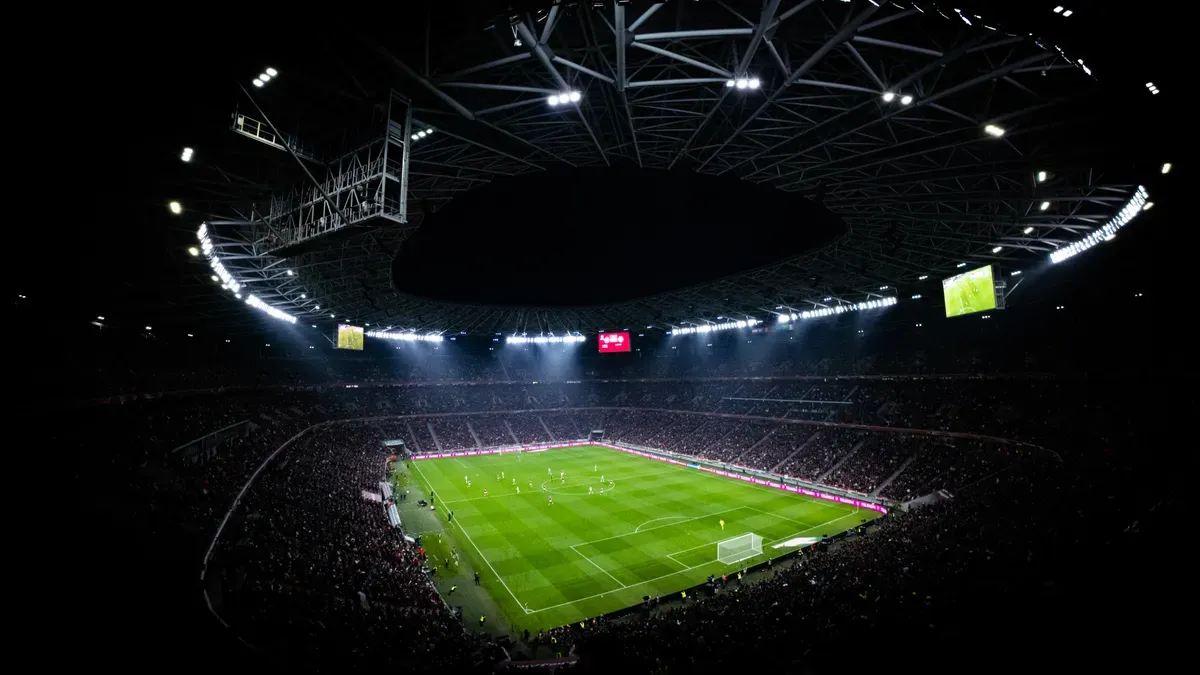
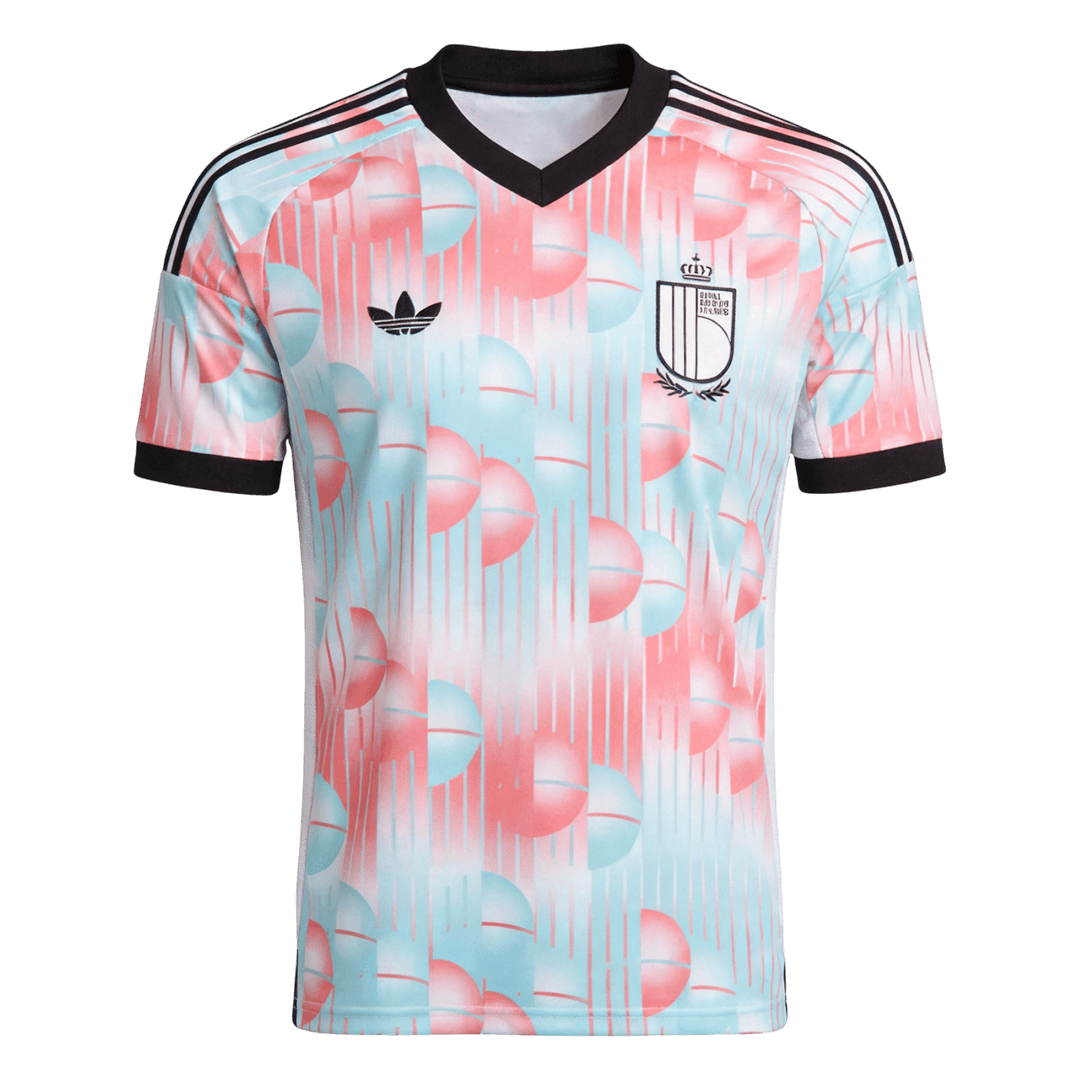
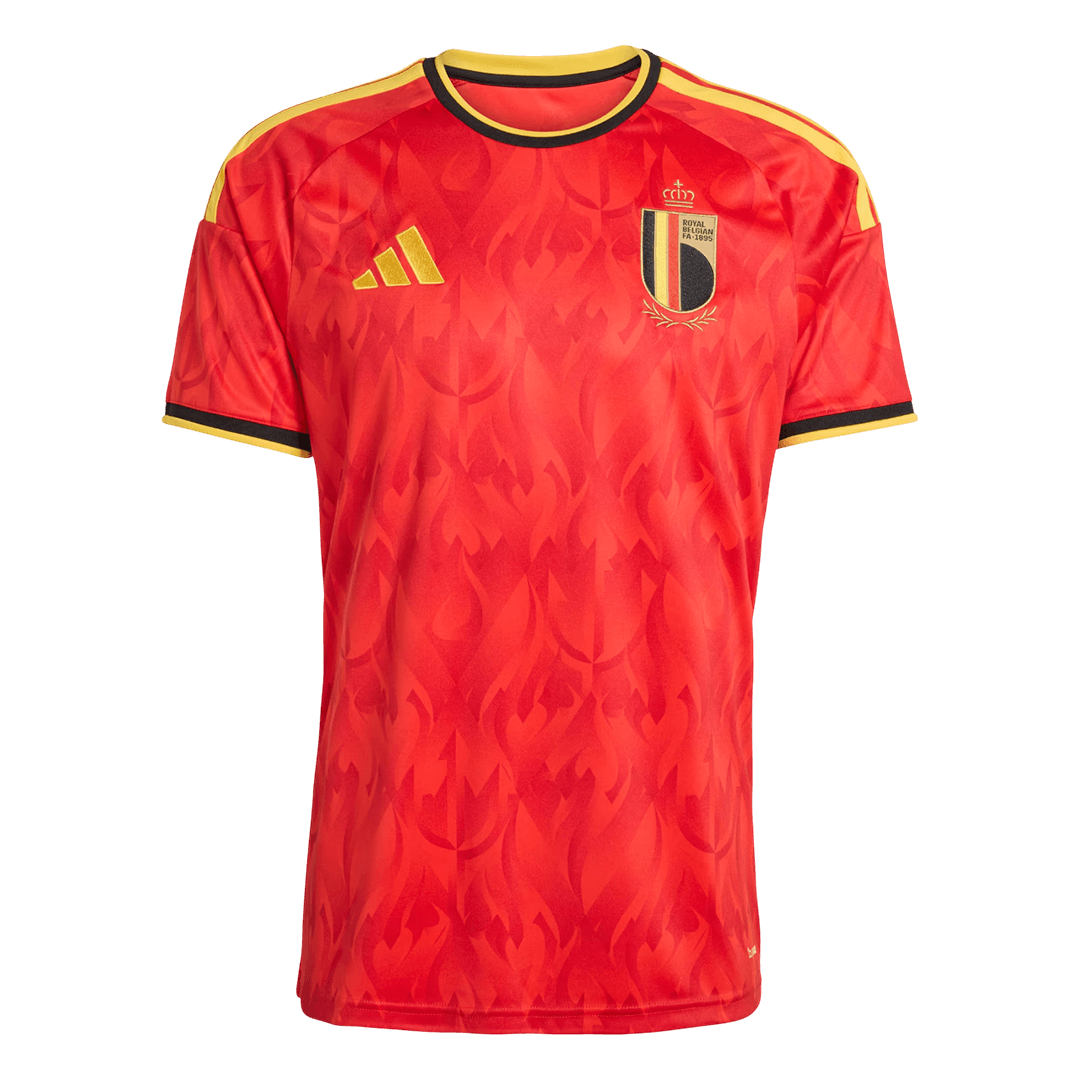
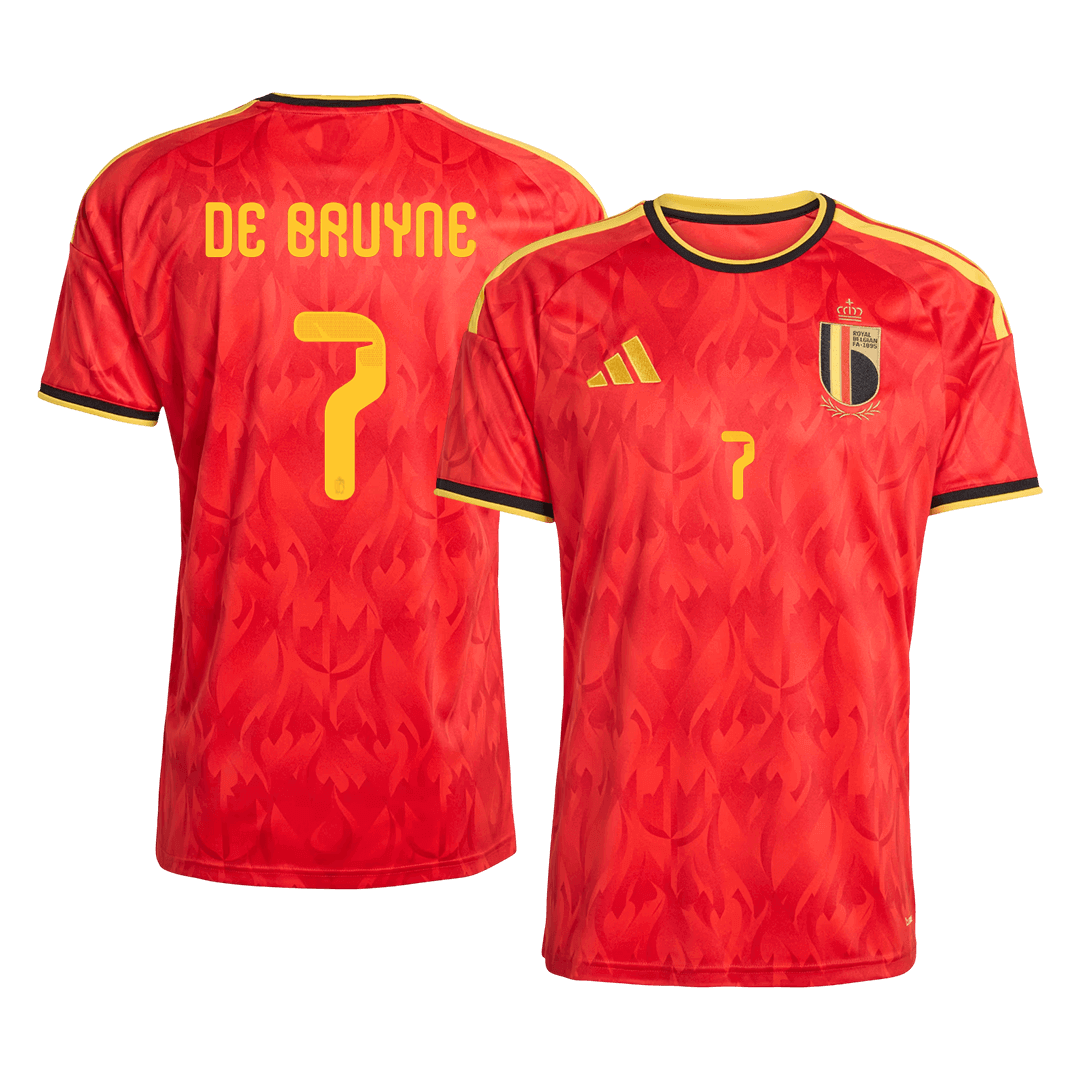
Belgium's golden generation performed exceptionally well in the 2026 World Cup, showcasing the strength of the 2026 World Cup Belgium Team. The Belgium Team in 2026 featured a mix of seasoned stars and promising young players.
-
The experienced leaders played a crucial role in maintaining the team's composure, guiding the players on what to do during critical moments.
-
Meanwhile, the young talents infused the squad with energy, enhancing creativity and providing support when challenges arose.
The team celebrated a convincing 4-1 victory against the United States and put forth a commendable effort in a tightly contested match against Spain. Kevin De Bruyne emerged as a key figure, demonstrating exceptional skill and leadership. Their journey highlighted the importance of leadership in achieving success and served as an inspiration for emerging players to strive for excellence.
Key Takeaways
-
Belgium's golden generation showed great leadership. Older players helped younger teammates during tough times.
-
The team had both experienced stars and new talents. This made the team exciting and full of energy.
-
Players like Kevin De Bruyne and Romelu Lukaku played very well. They showed their skills and set good examples for others.
-
Team chemistry was very important. Players talked openly and trusted each other. This helped Belgium do well when things got hard.
-
The 2026 World Cup team’s success inspires young players. It shows how teamwork and learning matter in Belgian football.
Golden generation's influence in 2026
Leadership and experience
The 2026 World Cup Belgium Team depended on the older players for guidance. Kevin De Bruyne, Romelu Lukaku, and Thibaut Courtois had played many games before. They taught everyone to stay focused and follow rules. Their leadership helped younger players stay calm when things got tough.
The golden generation helped others learn. They gave tips during practice and games. This made teammates trust and respect them.
The older players showed how to work hard and never give up. Their presence made everyone feel confident. Coaches liked how they encouraged others and kept the team together.
Key moments and performances
The golden generation made a big impact in important games. In the group stage, Kevin De Bruyne controlled the midfield and helped create goals. Romelu Lukaku scored goals that put the team ahead early. Thibaut Courtois stopped shots to keep the team safe.
-
The 2026 World Cup Belgium Team scored four goals against the United States. The older players helped a lot in this win.
-
In the quarter-final against Spain, the team tried their best. The experienced players kept everyone focused and organized, even when the game was hard.
Younger players watched and learned from these moments. They saw how the golden generation stayed calm and made smart choices. The mix of old and young players helped the team face different problems.
Many fans and experts think the golden generation helped the 2026 World Cup Belgium Team do better than before. Their leadership and big plays showed future teams what to aim for.
2026 World Cup Belgium team: Squad and evolution
Veteran stars and new talents
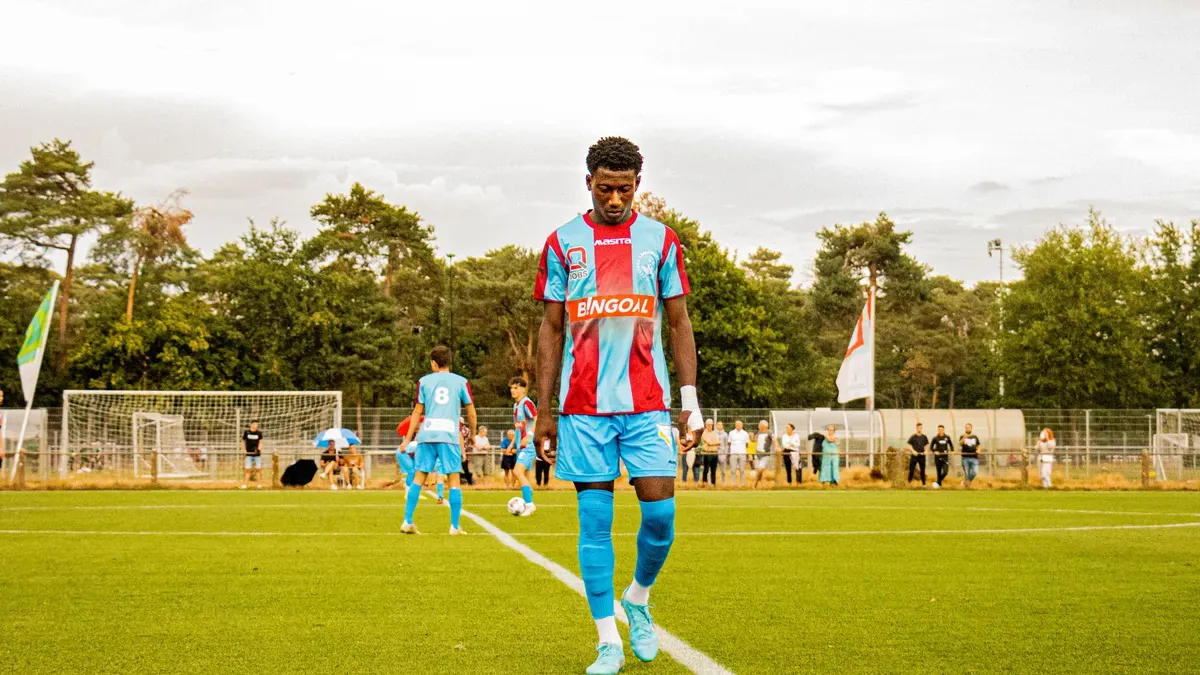
The 2026 World Cup Belgium Team had both older leaders and young stars. Kevin De Bruyne, Romelu Lukaku, and Thibaut Courtois played for many years. Their experience made the team feel safe and strong. Charles De Ketelaere and Jérémy Doku brought speed and new ideas. These young players learned a lot from the veterans in practice and games.
Coaches wanted players to help each other. Roberto Martinez, who coached before, started a plan for players to earn coaching badges. This let older players teach younger ones. The Future Project began in 2008. It grouped late bloomers together. The project helped them get better at skills and making choices. Charles De Ketelaere trained at Club Brugge. He showed how youth programs and veteran help can make young players do well.
The 2026 World Cup Belgium Team grew stronger with this mix. Veterans set good examples. Young players brought energy and new ways to play.
Team chemistry and synergy
Team chemistry was very important for Belgium. Players trusted each other everywhere. The golden generation showed how to work as a team. They gave advice and talked openly. This made everyone feel welcome and important.
-
Older players showed what to do.
-
Younger players listened and learned.
-
Coaches made the team feel happy.
The squad worked together to fix problems in games. Each player knew his job. The team’s unity made it tough for other teams to score or defend. This strong teamwork helped Belgium go far in the tournament.
Tournament highlights and results
Victory over the United States
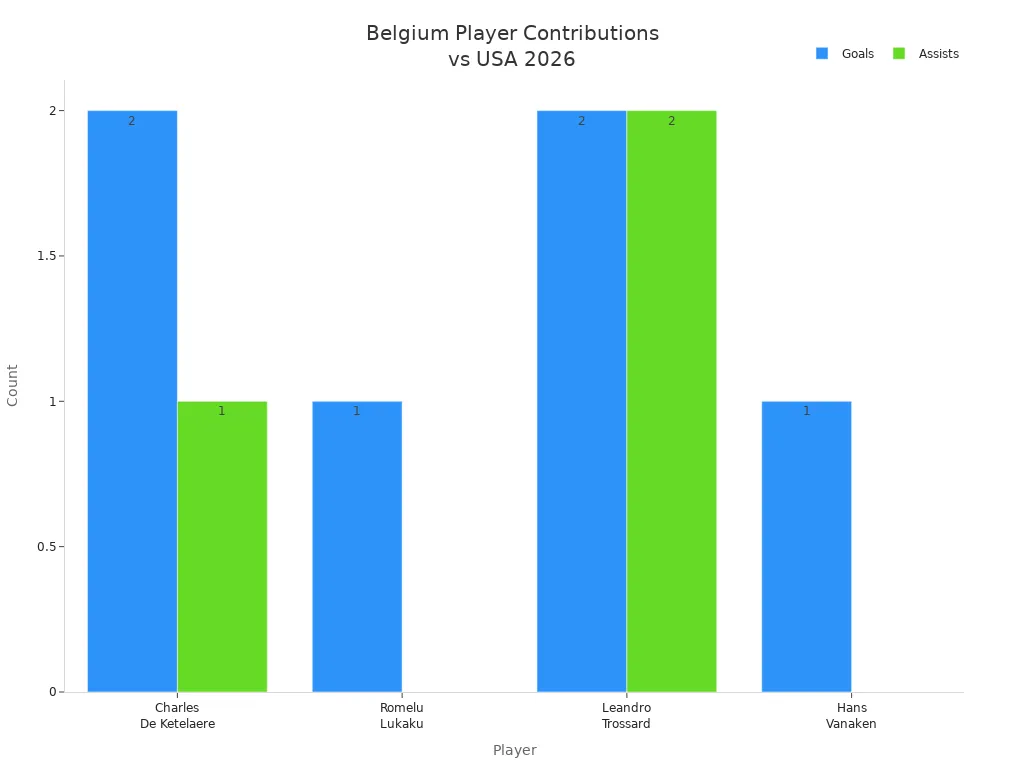
The 2026 World Cup Belgium Team began the knockout stage with a strong win against the United States. The players worked well together and showed skill. Charles De Ketelaere scored two goals. He also made one assist. Leandro Trossard helped a lot with two goals. He gave two assists as well. Romelu Lukaku came in as a substitute and scored. He became the first player to score as a substitute in four World Cup matches. Hans Vanaken scored another goal. Belgium finished with four goals.
The table below shows who helped most in this game:
This win made the team feel confident. It showed that young and older players could work well together.
Quarter-final clash with Spain
Belgium played Spain in the quarterfinals. The game was exciting and fast. Spain scored first. Belgium tied the game with a goal from De Bruyne. Both teams fought for control. The score stayed close. In the second half, Spain scored again. Belgium tried to tie the game. Spain’s defense stayed strong.
Some highlights from this game are:
-
Belgium’s midfielders made many chances.
-
Thibaut Courtois stopped important shots.
-
Darren Fletcher and Owen Hargreaves gave expert commentary. They explained tactics and key plays.
Belgium lost in the quarterfinals, but the 2026 World Cup Belgium Team earned respect for their hard work and teamwork. The players learned important lessons from this close game.
Standout players and statistics
Kevin De Bruyne's impact
Kevin De Bruyne was a leader for Belgium. He showed great skill and vision. He played in every game and set the team’s pace. De Bruyne controlled the midfield with smart passes. He scored an important goal against Spain. His leadership helped younger players stay focused. De Bruyne often told teammates where to go. Many people say he is one of the best midfielders.
De Bruyne made many chances for others to score. He had the most assists for Belgium in the tournament. His passing accuracy was always above 85%. Coaches and fans liked his hard work and smart choices. De Bruyne stayed calm during tough times. He made the team feel confident.
Kevin De Bruyne did more than just get good stats. He set a good example for everyone. His leadership shaped how Belgium played.
Other key contributors
Other players also did very well for Belgium. Charles De Ketelaere showed strong attacking skills. He scored big goals against the United States and Spain. Leandro Trossard played well in every game. He helped attack and also defended when needed.
The table below shows what they did best:
Trossard’s high rating showed he played steady. De Ketelaere’s goals helped Belgium win close games. Both worked well with the older players. Their hard work showed why teamwork matters.
Belgium did well because of both experienced and new players. Everyone helped the team play strong in the tournament.
Factors behind Belgium's performance
Tactical approach and coaching
Belgium used smart plans in the 2026 World Cup. The team pressed high up the field together. Players worked as a group to win the ball back fast. This pressing style gave Belgium more chances to score goals. The team also did well with set pieces. Tall players helped Belgium during corners and free kicks. Coaches switched players to keep them rested. But some games showed stamina could be a problem in long matches.
The coaches were important for Belgium’s success. They used live data to plan training and rest. Coaches and staff worked closely together. They made sure everyone knew the plan. Each player got a training plan using real-time data. This helped coaches make quick changes when needed.
Coaches wanted teamwork and control in the midfield. Players like Tielemans and De Bruyne led the midfield. The team kept the ball and controlled the game’s speed. This was different from past World Cups. Before, Belgium used more direct play and relied on single players.
Team communication and leadership
Good communication helped Belgium play as one team. Older players talked to younger ones during games and practice. They gave advice and told everyone to stay focused. The team trusted each other and listened to leaders.
-
Players used clear signals on the field.
-
Leaders like De Bruyne and Courtois gave directions.
-
Coaches held meetings to talk about tactics.
Teamwork and leadership made Belgium stronger. Everyone knew what to do. The mix of old and young players made a good mood. This unity helped Belgium face hard teams and play well in the tournament.
Legacy and future outlook
Golden generation's lasting impact
Belgium's golden generation made football more popular in the country. These players showed Belgian teams can reach new goals. They inspired young athletes and coaches to dream bigger. Their influence is not just about winning games.
-
The golden generation raised the bar for football in Belgium.
-
They brought more attention from other countries to Belgian football.
-
More young players now join top European leagues, showing their talent.
-
Belgium's youth training system gets more focus, which will help in the future.
The Future Project began in 2008. It helped late developers join the youth system. This project made player development much better. At the Under-21 European Championship, five starters came from this program.
Players like Dries Mertens proved hard work and patience can lead to success. The golden generation's journey made coaches support all kinds of players, not just early stars. Their teamwork and leadership became a model for future squads.
Prospects for Belgian football
Belgian football looks promising for the future. The country now has better youth programs and more chances for young players. Many experts think Belgium will keep producing top talent.
-
Players like Dries Mertens inspired new ways to train young athletes.
-
The Future Project helps late developers, making the talent pool bigger.
-
More young players now play for the senior national team.
Young Belgian players keep joining top clubs in Europe. This helps them learn and get better at their skills. Coaches and scouts watch Belgium's youth leagues closely.
Belgium's golden generation left a strong mark. Their achievements set up future success. The next group of players will try to build on this and aim higher. 🏆
Belgium's golden generation led the team in the 2026 World Cup. They worked together and showed strong teamwork. New players joined and brought new ideas. This helped the team play better. It also got them ready for the future.
-
Digibanks and Women in Digital helped more people join football. These programs taught new skills to many.
-
The Learning account reform gave support for training and teamwork.
Belgium now inspires young players everywhere. The team seems ready to win more in the next tournaments. 🏆
FAQ
What is Belgium's golden generation?
Belgium's golden generation means a group of very skilled football players. They played together for the national team. Kevin De Bruyne, Romelu Lukaku, and Thibaut Courtois are part of this group. These players helped Belgium do better in world football.
Who were the standout young players in 2026?
Charles De Ketelaere and Jérémy Doku stood out to fans. They added speed and new ideas to the team. Their play showed Belgium has young stars ready for big games.
How did Belgium perform in the 2026 World Cup?
Belgium made it to the quarterfinals. The team beat the United States 4-1. They lost 2-1 to Spain in a close game. Experts liked their teamwork and strong leaders.
What made Belgium's team chemistry strong?
Older players gave advice and pushed for teamwork. Young players listened and learned from them. Coaches made the team feel happy and safe. This mix helped everyone trust each other and play well together.
What is the future outlook for Belgian football?
Belgian football has a bright future. Youth programs keep making skilled players. Many young Belgians now play for top clubs in Europe. Experts think Belgium will stay strong in future World Cups. ⚽