


Authentic vs Replica Soccer Jerseys What Sets Them Apart
Imagine you're in a sports store, holding two of the same soccer jersey. One costs $150. The other is $90. You wonder if the extra money really matters.
Here's the big difference: authentic jerseys use special materials made for pro athletes. They feel light and fit tight. Replica soccer shirts focus on comfort and durability for regular fans like you.
So, which choice suits your life? Do you need pro-level performance, or the comfort and value of a fan?
This guide explains the authentic vs replica choice in a simple way. You'll learn about materials, fit, special features, and price. Knowing these things helps you make a smart choice when buying a team jersey. Whether you want the real one worn by players or the official look without the pro cost, you'll find your answer here—and if you're leaning toward the fan-friendly option, replica soccer shirts give you that authentic style at a price that makes sense.
Key Takeaways
-
Real jerseys are made with light, special fabrics for players. Replicas use thicker polyester for regular use.
-
Authentic jerseys fit snugly, just like what pros wear on the field. Replicas are looser and feel like a normal t-shirt.
-
Replica jerseys are cheaper and hold up better. They can handle many washes without getting ruined.
-
Pick authentic if you play soccer for real. Pick replica if you watch matches or wear it for fun.
-
From a distance, both jerseys look the same. The real difference is in how they feel and what they cost.
Materials and Build Quality
Performance Fabrics vs. Durable Polyester
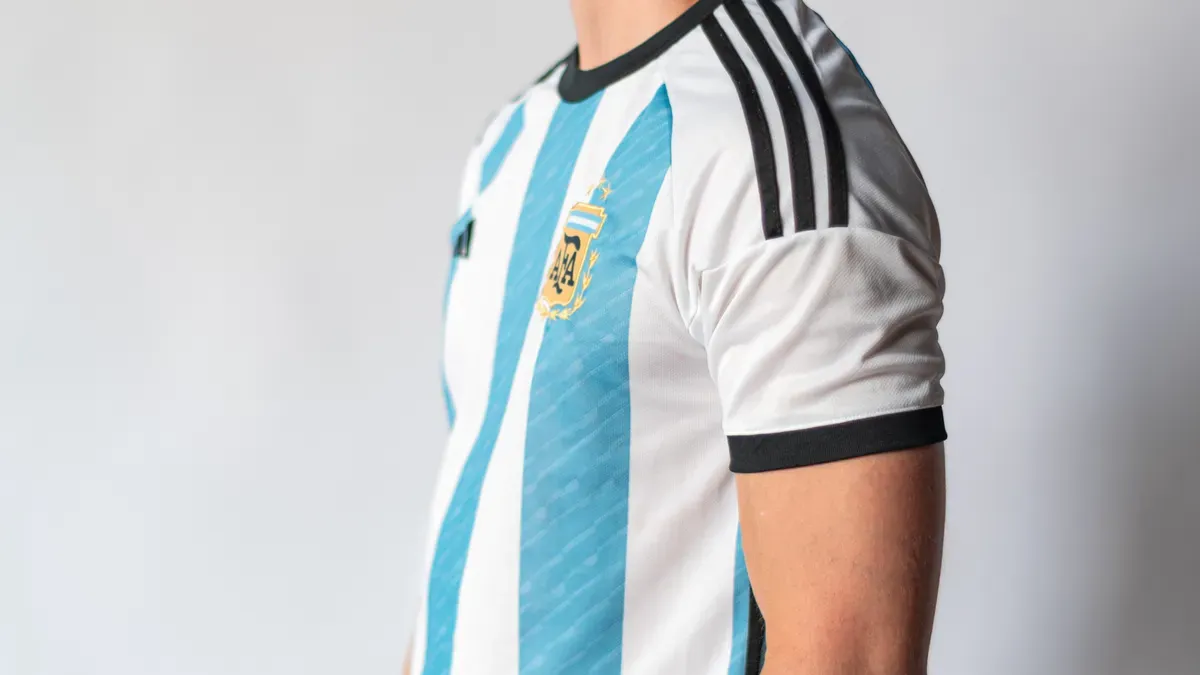
The fabric difference between these two jersey types comes down to their purpose. An authentic jersey uses Nike Dri-FIT ADV technology or Adidas HEAT.RDY materials. These fabrics pull sweat away from your skin quickly. They keep your body cool during hard matches. The premium knit construction, called VaporKnit, feels almost weightless on your shoulders. Many of these performance fabrics contain at least 75% recycled polyester fibers. This eco-friendly feature appeals to buyers who care about the environment.
A replica jersey uses standard 100% polyester. This material feels heavier and thicker against your skin. It offers basic moisture control at best. You will notice the difference during a summer workout. The authentic version keeps you dry. The replica leaves you feeling damp and sticky. For casual wear at a watch party or running errands, the replica fabric works fine. You simply do not need advanced temperature control for everyday activities.
The table below summarizes the moisture-wicking capabilities:
|
Jersey Type |
Moisture-Wicking Capability |
|---|---|
|
Authentic |
Advanced polyester microfibers move sweat quickly away from the skin, plus mesh panels in high-heat areas |
|
Replica |
Standard polyester with basic moisture control, lacking advanced performance features |
Stitching and Craftsmanship
The build quality of each jersey type reflects its intended audience. Authentic jerseys feature reinforced stitching and complex seams. These construction methods handle the demands of professional play. Players twist, pull, and grab during matches. The seams hold firm under this stress. Authentic badges use heat-pressed application. This creates a smooth, synthetic feel that does not catch on opponents' fingers. However, you must handle these badges with care during washing.
Replica jerseys use simpler, standard stitching throughout. The badges are embroidered or sewn-on. This approach makes them more durable for everyday wear. You can toss a replica jersey in the washing machine without worry. It survives normal spills and repeated wash cycles. The genuine craftsmanship of a replica focuses on longevity rather than performance.
Consider the care requirements. An authentic jersey needs handwashing with mild detergent. You should hang it to dry to prevent heat damage from the dryer. A replica jersey is washer-friendly. This ease of maintenance makes replicas practical for most fans.
The official look of both jerseys appears similar from a distance. Up close, the differences become clear. Authentic jerseys are high-performance garments sought after by collectors. Replicas are mass-produced with durability as the priority. Your choice depends on how you plan to use the shirt. If you play competitively, the authentic version serves you better. If you watch from the stands, the replica offers practical value.
Fit and Sizing: Athletic Cut vs. Standard Fit
The 'Pro' Fit: Slim and Compression-Like
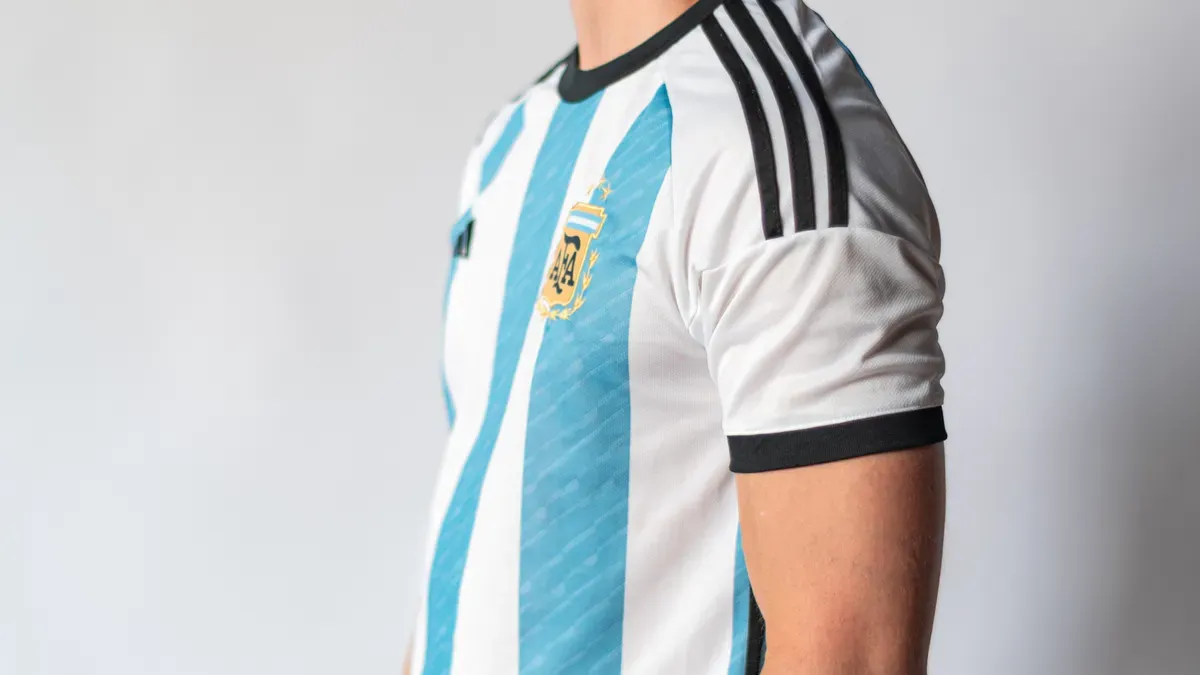
Authentic jerseys have a slim, athletic cut that fits close to your body. This design has a clear goal. Pro players need fabric that stays flat against their torso during fast sprints. Loose cloth creates drag and slows you down. The tight fit also helps keep muscles warm and supported during tough games.
This slim shape looks great on athletic bodies. But it gives little room for other body types. You may find the authentic version tight around the chest or shoulders. The sleeves fit closer, and the hem sits higher on your hips. If you like a looser feel, this jersey will not satisfy you.
Player-specific sizing adds another layer of complexity. Teams order authentic jerseys with individual measurements in mind. For fitted jerseys, names and numbers should be slightly reduced in size. This adjustment prevents a cramped or cluttered appearance on the snug fabric. The same logic applies to the overall proportions of the garment.
The 'Fan' Fit: Relaxed and Comfortable
A replica jersey takes the opposite approach. It uses a relaxed, everyday fit similar to a standard t-shirt or polo. You get room to move without feeling restricted. The cut allows air to flow between the fabric and your skin. This comfort makes replicas great for long days at the stadium or casual outings around town.
The looser shape also works well for layering. You can wear a hoodie underneath during colder months. The extra space fits different body shapes without looking baggy or unflattering. Most fans find this fit more practical for daily wear.
Sizing adjustments matter here too, but in different ways. For oversized jerseys, standard proportions should be maintained while placement is adjusted to suit the longer garment. Youth jerseys require proportional resizing of all design elements. Letter heights, number sizes, and spacing must shrink together to remain legible and balanced on smaller shirts.
When you compare the two options, think about your typical activities. Do you plan to play pickup games or train regularly? The authentic cut serves you well. Do you want a shirt for watching matches and running errands? A replica jersey offers the comfort you need without the restrictive fit.
Features, Details, and Authentic vs Replica Value
Badges, Patches, and Ventilation
Look closely at an authentic soccer jersey and you will spot details that replicas do not have. Laser-cut holes for airflow appear in neat patterns on the fabric. These tiny openings let air move across your skin. Makers call this bird-eye mesh. The single-layer knit creates small, even holes that keep you cool during tough games. You will also see mesh panels in sweaty spots like the underarms and upper back. These knit parts boost airflow but stay strong.
Sublimation printing matters too. This method presses ink right into the polyester fibers. The fabric pores stay open, so printed designs never block air. A real jersey uses heat-pressed TPU badges that sit flat on the fabric. This smooth surface stops opponents from catching their fingers during play. But these badges need gentle care. They can peel if you wash them carelessly over and over.
Replica soccer shirts keep things simple. You get embroidered badges that last through many normal machine washes. The airflow features are less fancy, but you do not need them for daily use. The table below shows how these differences affect your experience:
|
Factor |
Authentic Jersey |
Replica Jersey |
|---|---|---|
|
Fabric weight |
Lighter, performance-focused |
Heavier, around 180 GSM |
|
Seam strength |
Snapped at 45 lbs of force |
Held shape past 65 lbs |
|
Badge application |
Heat-pressed TPU |
Embroidered |
|
Wash durability |
Badges peeled after 12 industrial cycles |
Survived 50 cycles without pilling |
The data tells a clear story. Authentic jerseys focus on athletic performance. Replicas last longer under normal home washing.
When to Choose Replica Soccer Shirts
The price gap between these two choices is big. Authentic jerseys cost from $130 to $180 or more. Replica soccer shirts usually range from $60 to $120. Some sources show even bigger gaps, with replicas priced as low as $25 to $40 compared to $90 to $120 for authentic ones. For casual fans, this price difference matters.
The authentic is worth the upgrade in two cases: (1) you actually play in the shirt, or (2) you collect specific kits with authentic-only details. For everyone else, the $90 replica looks identical from arm's length and washes better.
Think about what you do most. Do you play competitive football? Do you train often in hot, wet weather? Then the authentic version works well for you. The sweat-moving microfibers, germ-fighting treatments, and stretchy fabric make the higher cost worth it. You will feel the benefits during every game.
Do you watch matches from the stands? Do you wear your team colors to tailgates and watch parties? Then replica soccer shirts give you the best mix of style, comfort, and value. The relaxed fit feels better for daily wear. The embroidered badges handle regular washing without extra care. You can buy several jerseys for the same price as one authentic shirt.
For 90% of buyers, replicas offer the best balance between price and performance. The look matches the official player kits closely. From arm's length, no one can tell the difference. You show your support without spending too much. The authentic version only matters for semi-pro players or serious collectors who want the exact match-day feel.
Your choice comes down to how you plan to use the shirt. Look at your budget, how often you play, and how much you want the real thing. Then pick the option that fits your life.
Price, Durability, and Intended Use
Justifying the Higher Cost of Authentic Jerseys
You pay more for an authentic jersey for several clear reasons. The manufacturing process itself costs more. Brands use dye sublimation printing for authentic versions. This technique pushes ink directly into the fabric fibers. It produces higher quality output and lasts longer without fading. Screen printing, used for most replicas, costs less but cannot match the same level of detail or durability. The difference in production technology explains part of the price gap between the two options you see in stores.
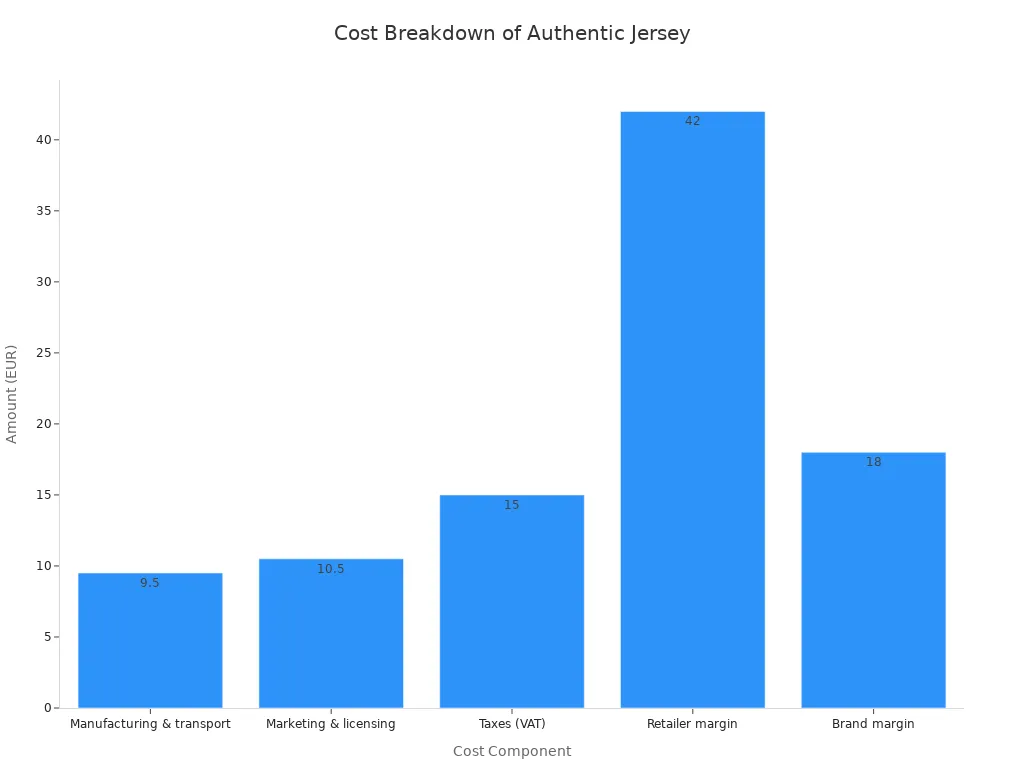
The price tag on an authentic model includes many hidden costs. Consider the breakdown for a typical 2026 World Cup jersey. Manufacturing and transport account for only €9.50. Marketing and licensing fees add another €10.50 per shirt. Taxes push the cost up by €15.00. The retailer takes a margin of €42.00, and the brand keeps €18.00. These components add up to a retail price between €150 and €160. A replica model, by comparison, costs between €100 and €110. The lower price reflects simpler production methods and reduced licensing costs.
The cost-per-wear analysis changes how you view these numbers. An authentic version uses lighter materials that can show wear after repeated washing. The heat-pressed badges may peel after many cycles. The delicate fabric can snag on rough surfaces. You might get 50 to 100 wears before visible damage appears. A replica version, built with thicker polyester and embroidered badges, can survive 100 to 200 washes without major issues. If you plan to wear the shirt once a week for a full season, the replica offers better value. If you need the performance benefits for actual play, the authentic version justifies its higher price through function rather than longevity. Think about how many times you will wear the shirt before making your final choice. This calculation helps you decide if the premium features are worth the extra cost for your specific situation.
Making the Smart Choice for Your Needs
Your lifestyle determines which jersey makes sense for you. The table below shows how different factors guide your decision:
|
Lifestyle Factor |
Authentic Jersey |
Replica Jersey |
|---|---|---|
|
Fit |
Slim, athletic, performance-oriented cut mirroring on-pitch wear |
Relaxed, comfortable fit built for standing in the stands |
|
Fabric & Durability |
Higher-grade polyester; better breathability and color retention through repeated washing |
Standard materials; may fade or degrade faster with frequent washing |
|
Cost Justification |
Premium price justified by performance materials and longevity for collectors |
Lower price point; suitable for casual wear without high investment |
|
Usage Context |
Best for athletic activity or serious collectors who value longevity |
Ideal for everyday casual wear, attending matches, or fans prioritizing comfort over performance |
The choice comes down to your primary activity. Ask yourself one simple question. Do you plan to play in this shirt or just wear it? If you play competitive soccer, buy the pro-level shirt. The moisture management, lightweight feel, and compression fit improve your game. The performance materials justify the higher cost. If you watch matches from the stands or wear the shirt casually, a replica soccer shirts offers the best value. You get the official look without the premium price. The relaxed fit feels better for daily wear. The durability means you can wash it without special care. The answer to that question guides your spending decision clearly.
For most fans, a replica jersey represents the smartest choice. The quality of the materials still looks great from a distance. The genuine team colors and badges show your support proudly. You can own multiple jerseys for the same cost as one authentic version. The authentic model only makes sense if you actually feel the performance difference during play or if you value collecting the exact match-day item. Most people fall into the second group. They want to show team pride without spending too much money on a single shirt.
Remember that the best choice depends on your needs. There is no universal winner. Assess your budget, your typical use case, and your desire for authenticity. Then pick the option that fits your lifestyle. The right choice for you may differ from what someone else needs based on your priorities.
You now see the main differences. Authentic jerseys use light, high-performance fabrics with a slim, athletic fit. Replica soccer shirts use strong polyester and a looser fit. Authentic versions have heat-pressed badges and air-flow panels. Replicas have stitched crests that handle regular washing well.
What you do most often decides the best pick. Competitive players get real benefits from authentic materials. Casual fans get more value from replicas.
Use this simple rule. If you play seriously, choose authentic. If you watch from the stands or wear your jersey for fun, a replica gives you the best mix of style, comfort, and price. From far away, both look almost the same.
Look at your budget, how you use the shirt, and how much you want the real thing. Then pick the one that fits your life.
FAQ
Can you spot the difference between an authentic and replica jersey from a distance?
From arm's length, both look almost the same. Team colors and badges appear identical. You need to feel the fabric or check the fit up close. The visual difference is very small.
Does an authentic jersey last longer than a replica?
No. Replica jerseys survive more washes. Authentic badges peeled after 12 industrial cycles. Replicas held shape past 50 cycles without pilling. The thicker fabric handles regular washing better.
Is the authentic jersey worth the extra money if you don't play soccer?
Probably not. Replica shirts cost $60 to $120. They look nearly identical from the stands. The relaxed fit feels better for casual wear. Embroidered badges survive regular washing without special care.
Which jersey fits better for a larger body type?
Choose the replica jersey. It uses a relaxed fit similar to a t-shirt. The authentic version has a slim athletic cut. It fits tight around the chest and shoulders. The replica gives you more room and comfort.